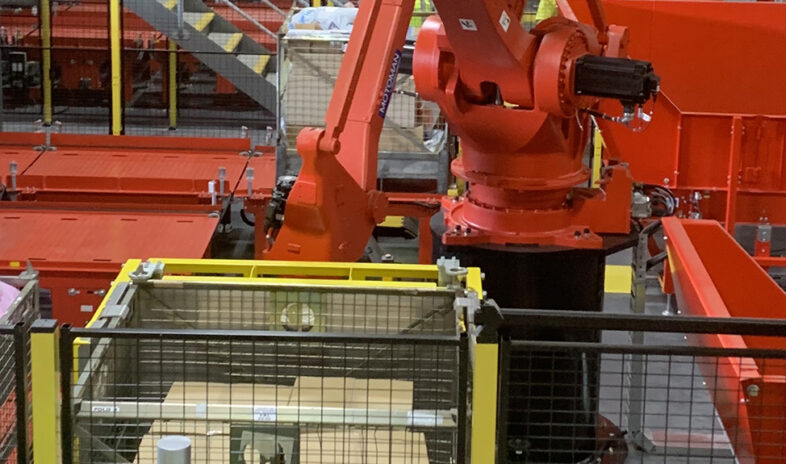
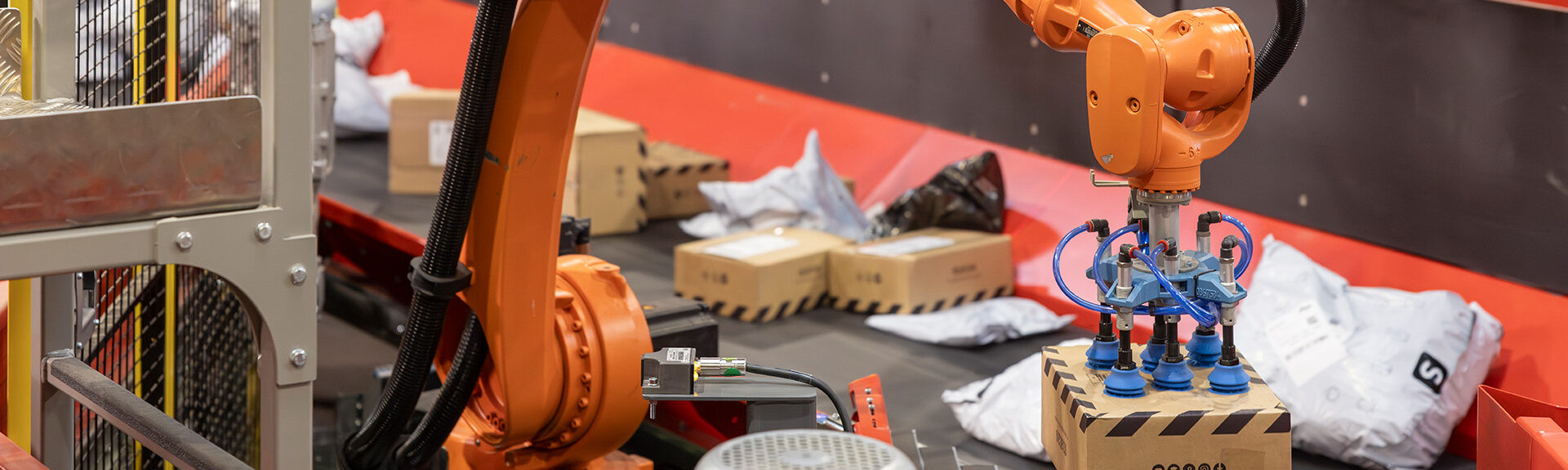
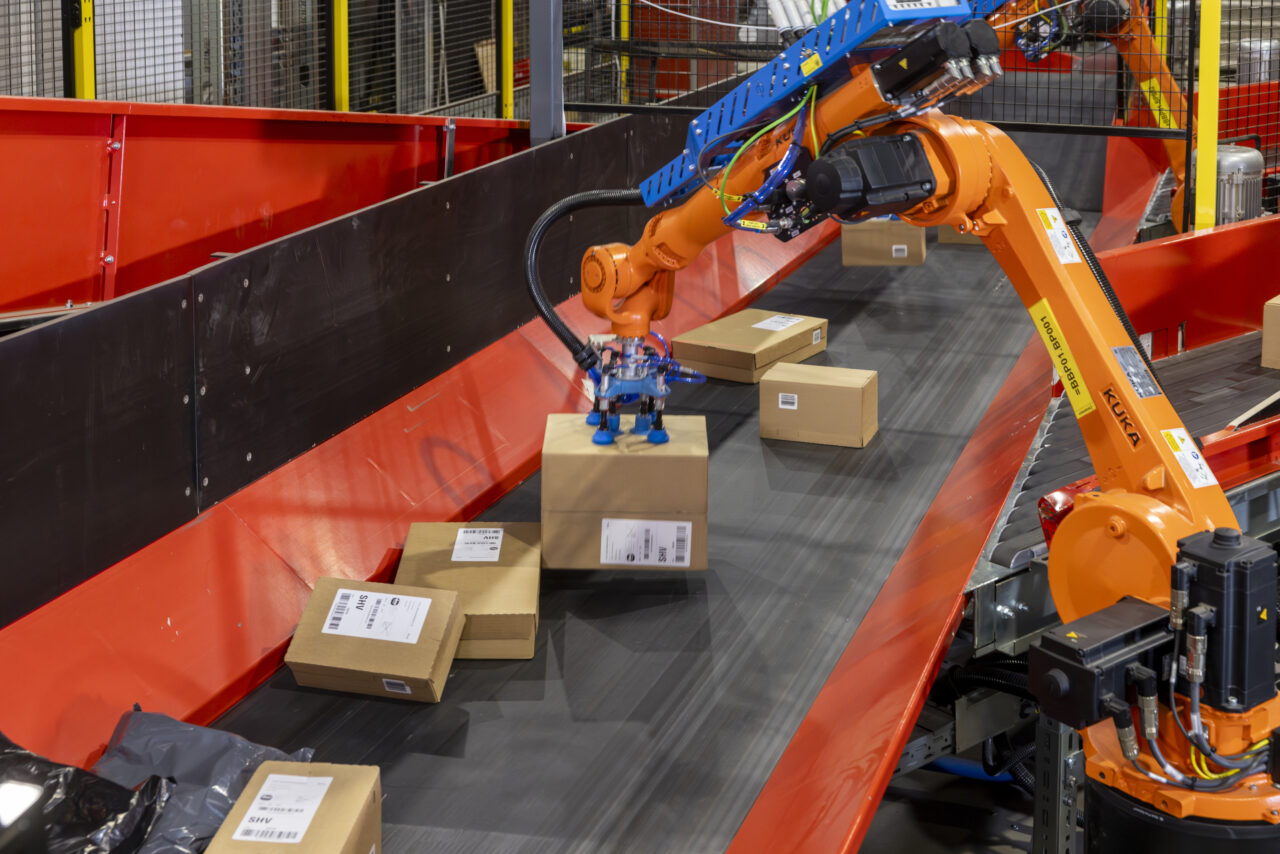
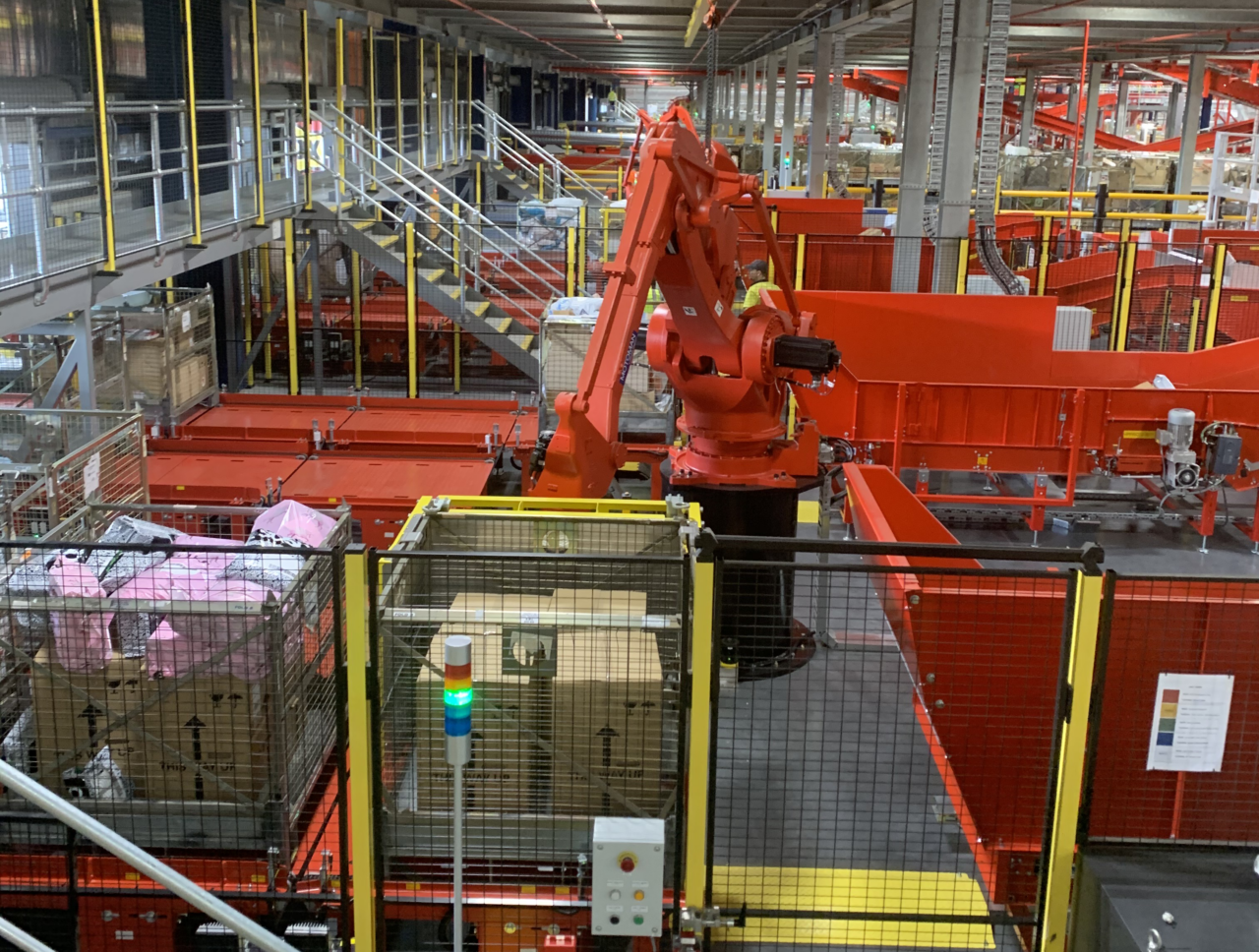
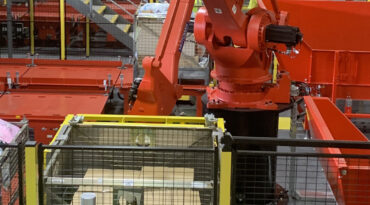
Similarly, the hub or depot itself must be considered. Implementing a robot requires physical space, both for the robot and around it. While green fields sites are more likely to be set up in a manner that has this type of space, existing brownfields sites may need to consider a significant redesign or extension in order to cater for the space needed. In this case, adding robotic automation must be carefully considered in order to understand whether it is feasible and helpful.
CREATING A BUSINESS CASE FOR ROBOTICS
Once the pre-determined factors such as space and labour availability have been considered, the CEP must consider more operational factors that will be crucial for creating the business case.
The factors that must be included at this level relate to the day-to-day operations of the facility in order to fully understand what robotic solutions are likely to offer. At the operational level, the requirements define the task, meaning that if a robot does a task faster and more cost efficiently than manual labour, it may be worth considering. Each operation within the hub or terminal should be considered to determine this with full understanding of what is and is not possible from a robot (link to article).
Alongside this, automation-readiness metrics must be considered. These include the cycle time, in order to ensure that there is a clear understanding of how long parcel movement takes and how or if this could be improved by robotics. The peak load also requires consideration, as these maximum surges must fit into the proposed robotic solution, or the extra labour that would still have to occur around peaks must be considered.
UNDERSTANDING THE ROI OF ROBOTICS
An understanding of the business case also requires consideration of the return on investment that is provided by a robotic solution. In most CEP operations, this is around three years, however each organisation must decide individually what is acceptable for their needs.
The basic ROI logic is simple to calculate: compare the total cost of the robotic solution with the operational value it is expected to create. However, a useful calculation must go beyond the purchase price and include the realities of implementation, integration and ongoing operation. One way to illustrate this is:
ROI* = (Operational savings + productivity gains + avoided costs – total cost of ownership) / total cost of ownership
In practice, this means comparing the cost handled per parcel before automation with the expected cost handled per parcel after automation. The calculation should include current staffing hours per operational hour, current throughput, manual touch points and cost per shift, then compare these with the robotic solution’s expected throughput, required supervision, uptime, service costs, spare parts, power consumption and guaranteed performance levels.