Home > Knowledge > Courier, Express & Parcel > Understanding the role of robotics in CEP operations

Understanding the role of robotics in CEP operations

CEP hubs experience a vast amount of activity every single day. Parcels arrive and must be pre-sorted, transported, inducted, identified, sorted again, loaded onto containers or loose loaded, before they can be transported to a hub terminal, and finally distributed into different delivery routes. 

Article summary

  • CEP hubs handle processes where parcels are pre-sorted, transported, inducted, identified, sorted again, and loaded before distribution, and increasing e-commerce parcel volumes and expectations for faster delivery and tracking are driving CEP operators to robotics to automise solutions.
  • Robotic solutions are a sub category of automation consisting of programmed physical hardware, including robotic tipping arms, robot pickers, and mobile robots (AMRs and AGVs), and are suited to specific, repeated tasks within CEP processes.
  • Robotics can be applied in workflows such as singulating parcels on conveyors using vision camera systems, unloading parcels through automated container tipping with 40–50% time saved compared to manual container movement, and transporting bags or containers using AMRs and AGVs.
  • Robotic automation depends on factors such as parcel volume and type, facility layout, and available space, and requires careful integration, especially in legacy depots with narrow aisles, mixed parcel types, and manual route preparation.
  • Robotic solutions help reduce physical labour, improve working conditions, and ensure a predictable flow, but are limited in handling exceptions such as odd-sized, bulky, fragile, damaged, or unclear-labelled parcels and in facilities with restricted space.

As e-commerce keeps increasing, parcel volumes keep growing, and expectations for faster delivery and tracking also become more pressing, a flow that remains dependent on physical labour will struggle to keep up with logistics demands. As a result, CEP operators are turning to robotics to automise solutions to fill the gaps, optimise their service, and help them achieve more.

However, implementing robotic solutions is not a one size fits all approach. Within the various different processes that occur across hubs and depots, there are different options for robotic automation to streamline operations.

Crucially, not every robotic solution is suitable for every hub or depot, as there are a variety of factors to take into account for each solution. Even facilities within the same network may have very different levels of readiness when it comes to robotic implementation. This makes robotics in parcel handling a case-by-case decision. Understanding the options available requires understanding both the operation a robot can perform, and the internal factors that could make it a viable solution for an individual hub or depot.

For example, a newly built hub with consistent parcel flows, reliable scanning and free floor space may be a strong candidate for several different robotic solutions including mobile robots. A legacy depot with narrow aisles, mixed parcel types and highly manual route preparation requires very carefully designed robot integration to existing parcel handling automation in order to maximise the floor space available for robots and successfully implement them.

Each robotic solution is tailored for a specific task within the workflow

Although robotics can offer faster and accurate operations, they require careful implementation in the operation they correspond to. Before considering implementing them, CEP operations should understand where they can – and can’t – aid workflows.

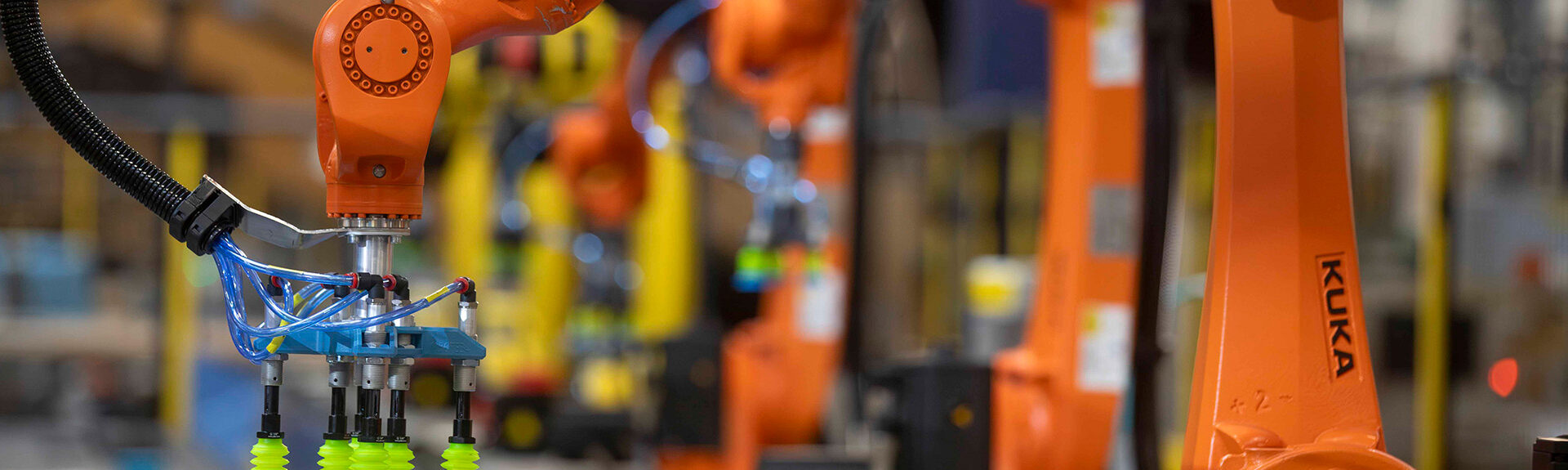
Robotic solutions are a sub category of automation that consist of programmed physical hardware that interact with physical elements and can be reprogrammed flexibly. As a result, robotics are good solutions for specific tasks that are repeated in CEP processes.The most commonly used robots in CEP include robotic tipping arms, robot pickers, and mobile robots (AMRs and AGVs).

When considering whether your hub or depot would benefit from robot automation, robotics, or other highly automated concepts, one of the initial elements to consider is the volume and type of parcels that are received. Where there are large, dependable patterns of parcels, robotics can be helpfully used in certain elements within this workflow, for example in the initial sorting when parcels enter a depot. As there is a significant volume that are mostly similarly sized and require one repeated task, this is an ideal place to implement robots.

Another ideal place for implementing robotics is where significant amounts of manual labour are needed, as robotic solutions can often lessen this volume and improve working conditions for operators. Manual labour is expensive and can be difficult to come by, whereas robotic solutions offer opportunities to upskill operators to supervisors, while saving physical labour on some of the more repeatable tasks.

Understanding the workflows where robots can add value

Currently, there are three clear areas where robotic solutions can offer a valuable and feasible solution within common workflows.

The first is when parcels are loaded onto a conveyor, and then singulated into a line behind each other. Robotics are an excellent choice here as they have technology vision camera systems that can identify a surface and size of an item and the angle of the parcel. The robot can pick a parcel up and put it on the next process conveyor with the correct orientation and speed. As a result, all the regular shaped packages will be moved automatically, leaving operators to manage the ones that require different treatment.

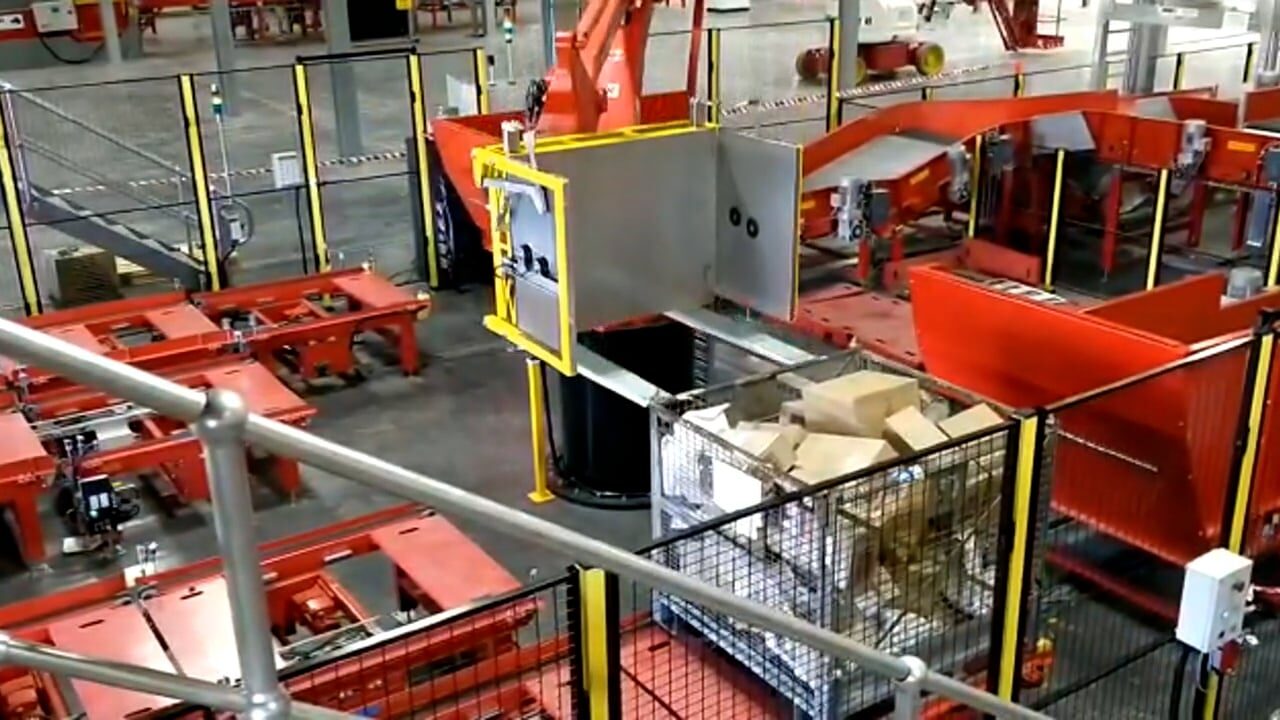
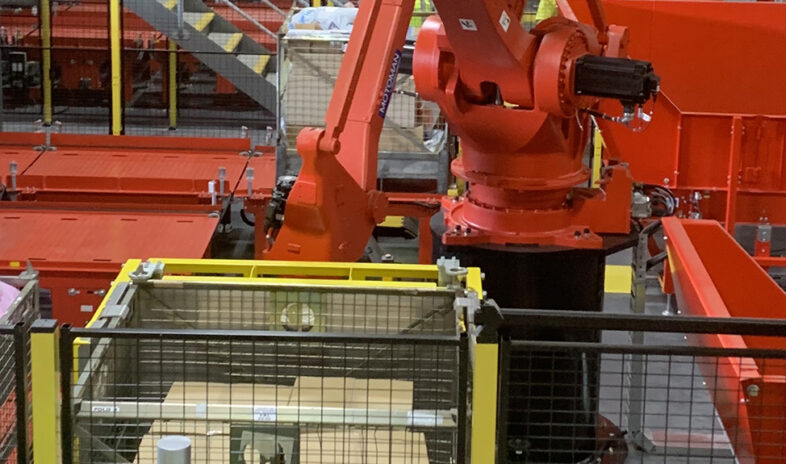
Another operation where robotic automation has proven to be useful is in unloading parcels. Container tipping has been transformed as automated robots control the tipping, distribute the empty container and pick up the next container. In comparison to the container movement when this is managed manually, the time saved is 40-50%.

By loading the video, you agree to Vimeo’s privacy policy.
Learn more

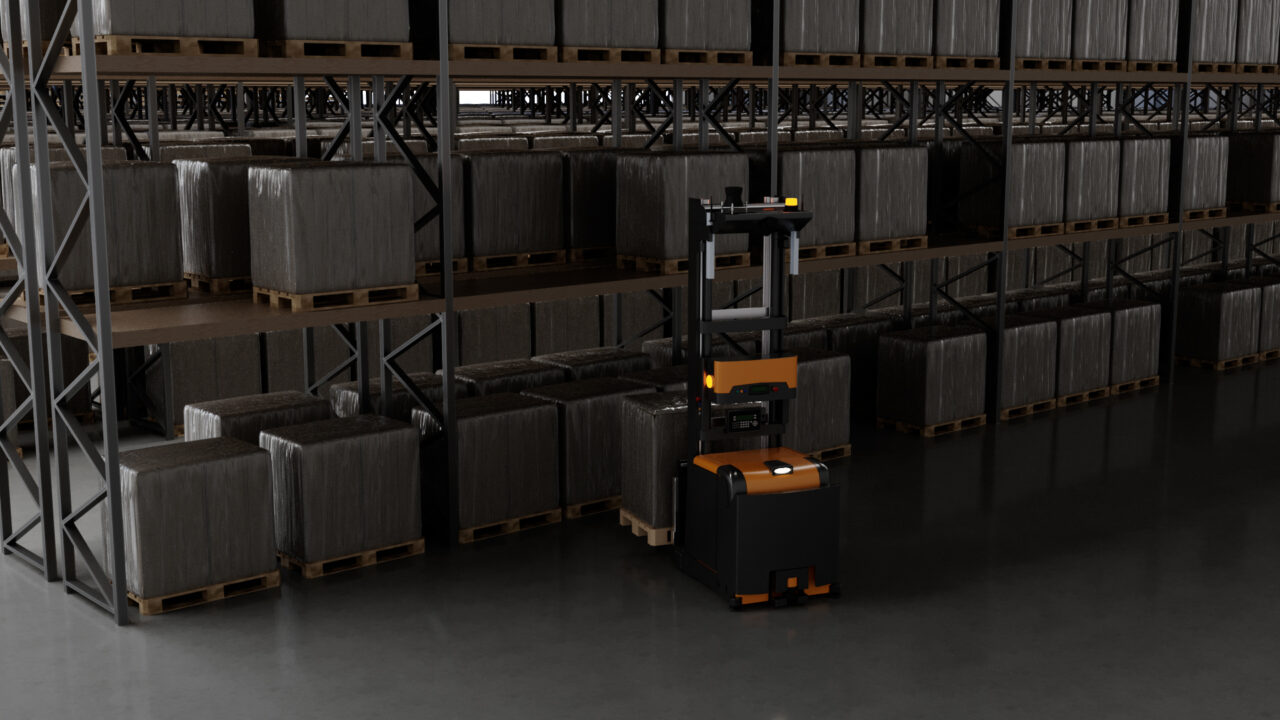
A final area where robot automation has proven transformative in hubs is through mobile robotics using AMRs, AGVs, or a combination of both to transport bags or containers. As this is physically strenuous work, using robotics can provide a better solution that is also more flexible. The transport robots can calculate routes within a set environment and transfer the bags or containers to their next stage in the process.

Robots in these areas help ensure operators are spending time on tasks that require additional support rather than on physically demanding routine jobs. They also ensure a predictable flow which helps the stability of the business, as they can expect a more controlled state of business, allowing them to pass more accurate tracking information to customers and not waste idle time caused by peaks.

Areas where robot technology is developing

While the above examples are where robotic automation has been proven, there are a number of other areas where robots are in development and likely to be used very soon.

One example of this is AI and vision improvements, which are leading to more sophisticated robot abilities when recognising parcels. This has the potential to transform exception handling for parcels that are odd-sized, bulky, fragile, or have other considerations. These parcels can be marked with barcodes that indicate, for example, when they should be handled more delicately, and the self-learning aspect of the robot will help this occur.

Another developing robot solution is where filling and sub-sorting to central positions requires operators to walk across all destinations in a sorting system to change bags manually, which can include 500 destinations. Although it is a simple, routine job, it currently requires a significant amount of manpower. Mobile robots could sort the parcels into boxes, which are moved by an AGV or AMR to dedicated shipping marshalling areas, saving the need for walking.

Robotic automation is not a solution everywhere

Despite the benefits, robotic automation cannot work everywhere. A significant difficulty within the CEP industry is the handling of exceptions – those parcels that are not a conventional size, and may be large, bulky, or fragile. Often, these parcels cannot be managed by automation easily as they are outside the standard norms that a robot is programmed for.

This is also true for parcels that are damaged or have unclear labels. While the vision technology (OCR) has developed sufficiently to read parcel labels in most cases, there are still cases where human labour is required to understand what is going on, so that the parcel can be moved on appropriately.

For robots that require a significant amount of space to move, such as AMRs and AGVs, the limiting factor is space. Many depots or hubs are limited in the space that they have access too and unable to extend their premises. As such, they offer limited potential to distribution centres that do not have large areas of space available. While they may be a strong choice for new hubs being built, they can be more difficult to implement into legacy ones.

Robots work according to logic and rules, but the exceptions and elements that require flexible thinking or different solutions will have limited improvements due to robotic solutions.

Robotic solutions are transformative in the right areas

Overall, robotic solutions offer many advantages to hubs and depots: they help operators cope with the rising volume of parcels, provide a consistent and traceable service, and reduce the amount of physical labour that is required.

While the amount of processes using robotic automation is only set to increase as further development in technology and AI occurs, they will always require a need for careful integration and consideration of where they are best placed to make a difference – in straight-forward, high volume processes.

Subscribe to our newsletter