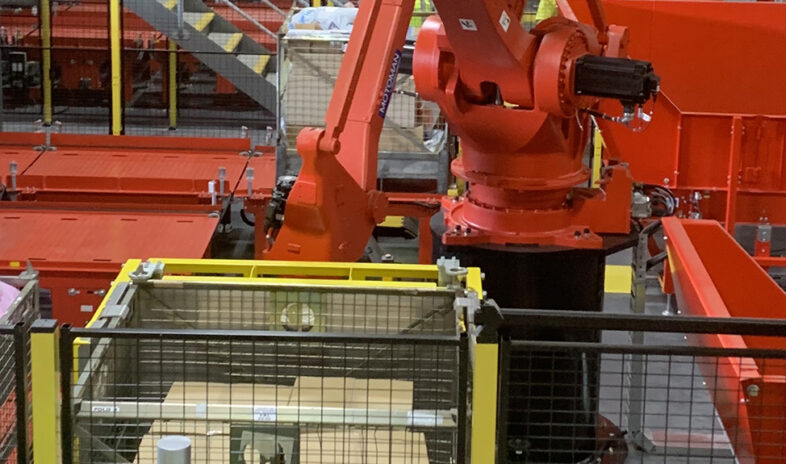
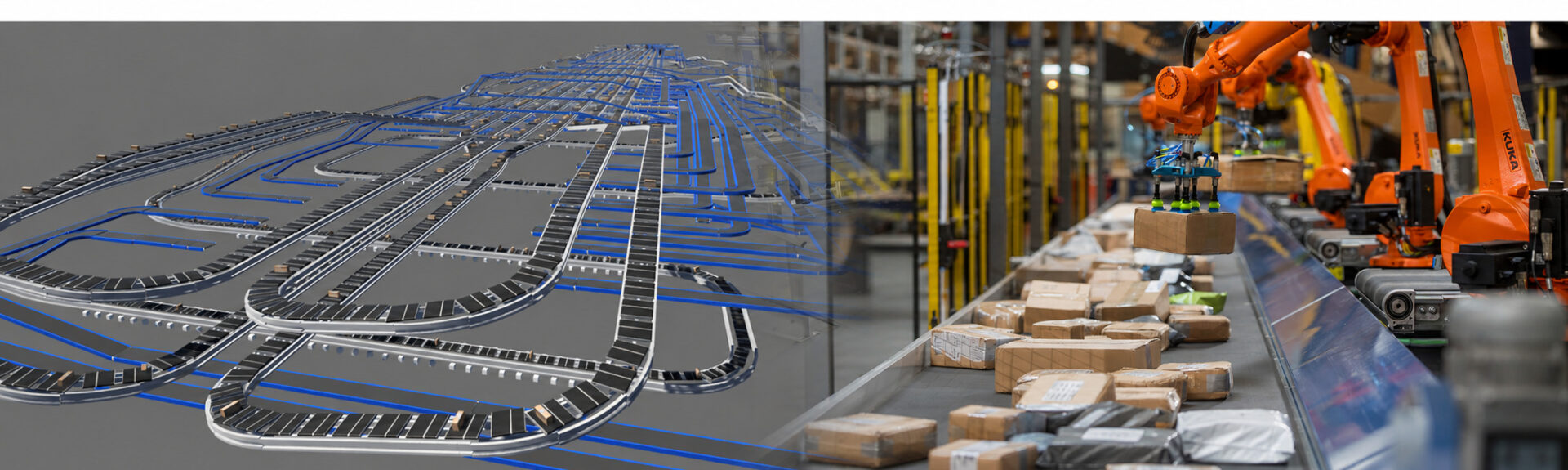
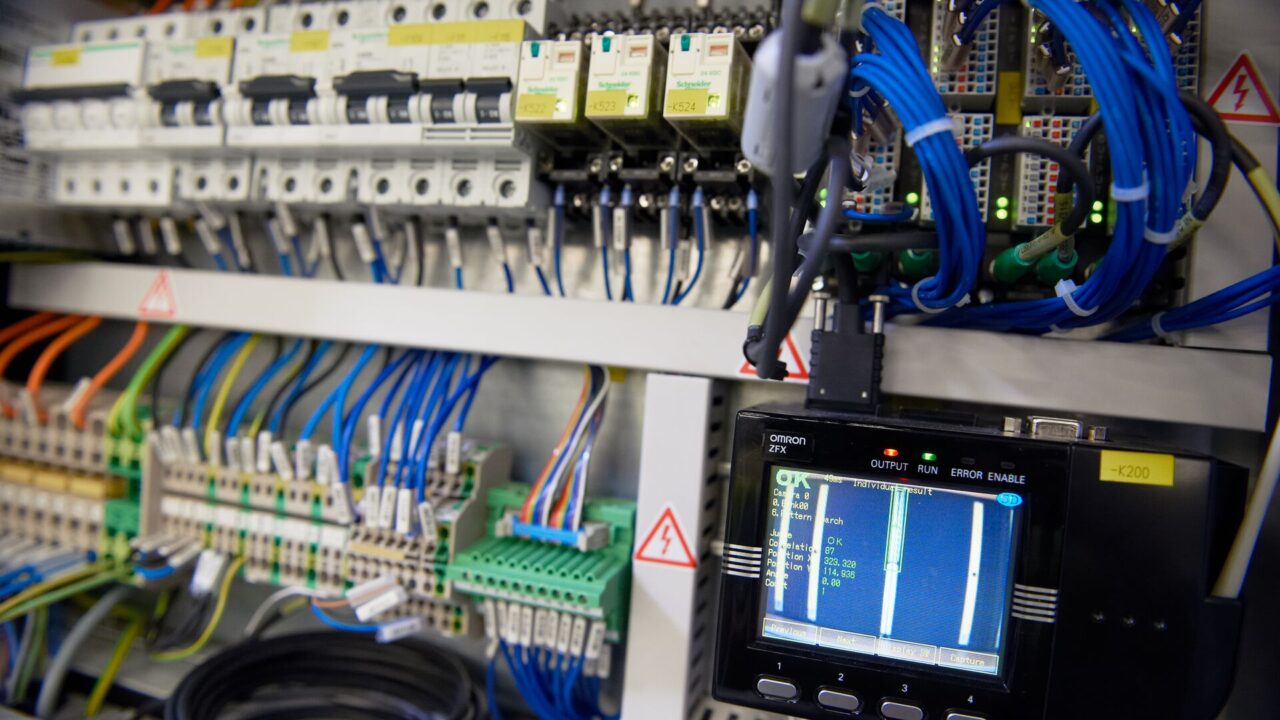
In simple terms, the robot does not work in isolation. It receives instructions from the sortation system controls, confirms when it is ready, executes the task and sends status updates back. The system controls then coordinate that information with conveyors, sorters, induction points or wherever the robot interfaces as part of a parcel flow.
Distinguishing between tight and light-touch integration
There are two different ways in which robots can be integrated into a parcel hub or depot set-up: the first is tight integration, which is used where the system requires a significant amount of information about the parcel itself. This type of integration is generally used in induction areas where the robot is integrated directly into the parcel flow, meaning it must know details about the parcel, such as what it is, where it must go, what size it is and how it impacts the flow.
Light-touch integration, on the other hand, is for robotic processes that are more independent and do not require such detailed knowledge. It is generally used for simpler commands corresponding to tasks such as moving a cage or filling a container.
Regardless of the integration type and needs, the way that robots are integrated into the parcel system’s orchestration requires the same level of consideration and specialist skill to ensure there are no risks. The difference is that with tight integration, the system controls require properly designed controls and integration as more information should be communicated, whereas less of this is required with light-touch integration.
Considered orchestration minimises risk
Many CEP operators are concerned about adding robots to their CEP set-up for several reasons – most significantly, the possibility of disruptions in both the case of the new robot not working correctly and the knock-on impact the robot can have on the rest of the parcel flow.
IT disruptions in complex operations cannot be avoided entirely, but the integration determines how resilient a system can be despite IT issues. For example, if a robot is set up correctly and integrated successfully into the IT infrastructure, then a single entity failing will not result in a direct stop with parcels piling up and operators resorting to manual operations due to the pressure.
Instead, the robots can buffer tasks and continue to work accordingly, even with a disruption. As systems recover, synchronisation will take place in the background as tasks continue to be completed. Through this, the workflow can remain stable despite a disruption.
For example, if the high-level control system is temporarily slow or unavailable, the robot should not simply stop without context. In a buffered workflow, it can continue completing already assigned tasks, report its status locally and resynchronise with the wider system once communication is restored.
However, if a robot is not properly integrated with the orchestration layer of the rest of the system but is acting as a standalone solution, then disruptions from issues have a greater chance of occurring. Without synchronisation, issues cannot be communicated, making a full system stop a more likely result. A mature integration process also means that there is a strong monitoring control application, which will show the status of the robot as part of the parcel handling system supervision.
Best practices for integrating robots
Many parcel operators considering integrating robots into their CEP parcel handling flows are concerned about the risk of unintended side effects and potential disruption. The key concerns include a loss of control, where robot behaviour cannot be understood or managed, IT instability, where a robot disturbs the existing systems, and operational risk, where disrupted workflows lead to delayed delivery times.
However, robot integration is not a black box. It is a structured process built around mapping the existing parcel handling systems, defining interfaces, testing communication flows, training operators and setting clear procedures for exceptions.
The integration process is an opportunity for risk mitigation practices to be considered. For example, when integrating robotic solutions into bigger hubs that manage a large parcel flow on a daily basis, the system can be emulated, for example through a digital twin, to make sure the system design works as expected.
The training process will also place operators in a position where they understand what to do in the case of certain issues in the system, meaning they can mitigate them to keep the process running with minimum system downtime.
When robots are connected to hub or depot systems, they become part of the wider IT environment. That means cybersecurity, access control, software updates and compliance requirements need to be considered from the beginning. A well-integrated robot solution should not create unnecessary vulnerabilities in the operational network. Instead, it should be designed with clear interfaces, secure communication and monitoring, so operators can protect both parcel flows and business-critical systems.
For more on this, read: Protect your automated handling solutions from cyberthreats.
Robots can be a stable solution for parcel operations
In a world where parcel depots need to stabilise workflows, robots offer a promising solution. Despite concerns, robots do not automatically disrupt a parcel depot – this only occurs when there is poor orchestration. In many projects, the success of robotic automation is determined less by the robot itself and more by how well it is integrated into the surrounding IT, controls and operational flow.
Those looking to improve their parcel flows with robotic solutions need to focus on where manual work is taking place, understand where a robot can add improvements, and then fully consider the integration needs together with their parcel system supplier.
Avoiding disruption entirely cannot be guaranteed, but there are ways that organisations can prepare to mitigate the impact any disruption may have, including training operators and supervisors, having clear procedures for any issues, using monitoring tools to diagnose issues before actions are taken and avoiding panic-driven responses. When the system is integrated correctly, robot automation can bring powerful advantages, operational teams can feel comfortable with full control, and the benefits can be fully realised across the hub or depot.