Home > Knowledge > Airport > How automated ground handling systems could make significant impact

How automated ground handling systems could make significant impact

Ground handling operators increasingly follow the lead of their BHS peers and will be looking to reap the benefits of automation in the coming years. A new industry report from BEUMER Group outlines how the push for automation will unfold.

Disclaimer: This text was originally written in English and translated using AI.

article summary

  • Chronic labour shortages and rising costs are pushing airports and handling agents to explore automated ground handling systems, an area that historically relied heavily on manual processes and accounts for a significant share of airline operating expenses.
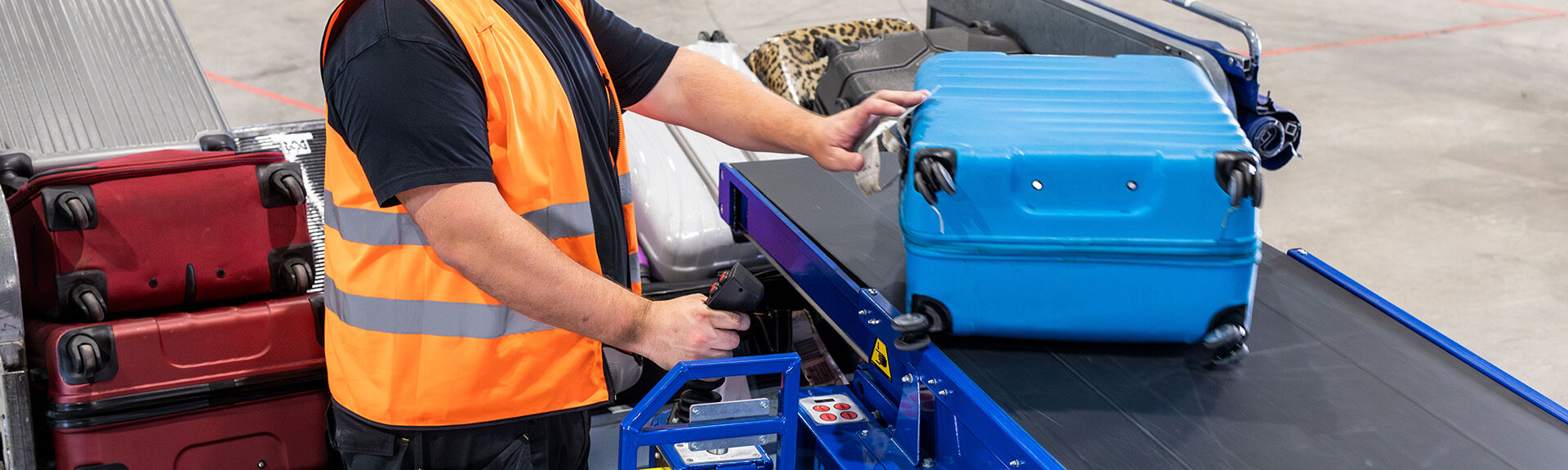
  • Technologies such as automated or robotic loading, automated guided vehicles (AGVs) and batch building have the potential to improve efficiency, reduce repetitive heavy lifting and enable more consistent end‑to‑end baggage handling on the airside.
  • Several airports are already testing automated ground handling solutions in live environments, with pilot projects demonstrating how automation can increase productivity while improving working conditions and safety for baggage handlers.
  • While further development and integration challenges remain, automated ground handling is expected to follow the same transformation path as baggage handling systems, delivering long‑term operational, financial and resilience benefits for airports.

As labour shortages continue to cause headaches for airport operators, the industry continues to ramp up its efforts to implement automated solutions.

In ‘Airports 2025 Outlook: Reinventing the Airport Experience’, a new report released by BEUMER Group, you can learn everything you need to know about how ground handling operators are increasingly embracing automation, and how passengers and airports can benefit from it.

How to automate ground handling systems

Ground handling is expensive and generally considered to account for around 8 percent of an airline’s operating expenses.

Still, the effort to automate this particular area of airport logistics has been somewhat lacking. BHS operators, for example, have had limited incentive to put their knowledge of automation into play. However, with labour shortages driving up the cost and difficulty of manual ground handling, airports have started to look into automation for this specific task.

THE BHS IN 20 YEARS: THE CHANGES WE EXPECT TO SEE

A variety of automated solutions can potentially be implemented to achieve more effective ground handling systems. They include:

  • Robotic or other automatic/semi-automatic loading
  • AGVs (automated guided vehicles)
  • Batch building

These technologies all have the qualities to advance the automation of ground handling systems, but there are flaws that need to be worked out first.

In Airports 2025 Outlook: Reinventing the Airport Experience, you can read a breakdown of each technology, how they may be used to automate ground handling processes, and the challenges that still need to be solved before implementation is imminent.

Airport industry is holding its breath

Several airports have already begun testing different types of automated solutions for their ground handling solutions.

One of the most interesting cases to keep an eye on is the innovation partnership (IP) agreed by Avinor, the operator of Norway’s major airports, to explore ways of automating the ground handling system.

The entire industry is awaiting results from the Norwegian capital Oslo, where Avinor has
built a dedicated project test centre to achieve the following targets through the automation of the ground handling system:

  • Increase the efficiency of the baggage handling process
  • Remove repetitive heavy lifting duties undertaken by baggage handlers
  • Automate end-to-end baggage handling

The Oslo case is just one example of automatic solutions being put to the test in a real airport environment.

In the new BEUMER Group report, you can discover several innovation partnerships involving airports all over the world, which are experimenting with automation technology for their ground handling.

Passengers will also benefit

While the effort to automate ground handling systems can be seen as a way to lower costs and minimise reliance on manual labour, there are other reasons why airports should invest in these new technologies.

The passenger experience could be improved by more efficient ground handling solutions. In the report, you can uncover more insights about the correlation between passenger comfort and the efficiency of the ground handling system.

The implementation of automation technology will be one of the interesting trends to follow in the year to come. If you want more insights regarding all the most important developments in 2025, download ‘Airports 2025 Outlook: Reinventing the Airport Experience’ right now.