Home > Knowledge > Minerals & Mining > How to choose the best bulk materials transport option for your operation

How to choose the best bulk materials transport option for your operation

Millions of tonnes of bulk materials such as coal, aggregates and ore are moved from mines, through processing, and onwards across the globe every year. Choosing the right transportation method is a significant decision for bulk material handling operations, and has long-term financial, efficiency and sustainability implications. The wrong choice can lead to higher operational expenditure (OPEX), environmental impacts and safety risks. So, how can minerals and mining operations make the right transport decision?

Disclaimer: This text was originally written in English and translated using AI.

By Lukas Paul

article summary

  • Choosing the right bulk materials transport method—trucking, rail, or overland conveyors—has major long‑term impacts on cost efficiency, safety, and environmental performance.
  • Trucks offer flexibility and low CAPEX but have high OPEX, higher emissions, and are less suitable for long distances or continuous high‑volume operations.
  • Rail provides scalable, long‑distance transport with moderate OPEX and lower emissions but requires existing infrastructure and lacks route flexibility.
  • Overland conveyors deliver continuous, energy‑efficient, low‑OPEX transport for fixed routes, making them ideal for high‑throughput operations despite higher initial investment.

In minerals and mining, there are three main options for bulk material handling: trucks, trains, or overland conveyors. Each has its strengths and limitations, and the right choice depends on your project’s unique conditions. Selecting the transport method that best aligns with your specific business, environmental and regulatory objectives requires careful evaluation, alongside economic and operational data.

Slurry pipelines and cable conveyors are also transport possibilities but will not be further explored in this article.

OVERVIEW OF BULK MATERIAL TRANSPORT METHODS

There are some fundamental pros and cons associated with the three main bulk material handling methods, summarised below.

TRUCKING

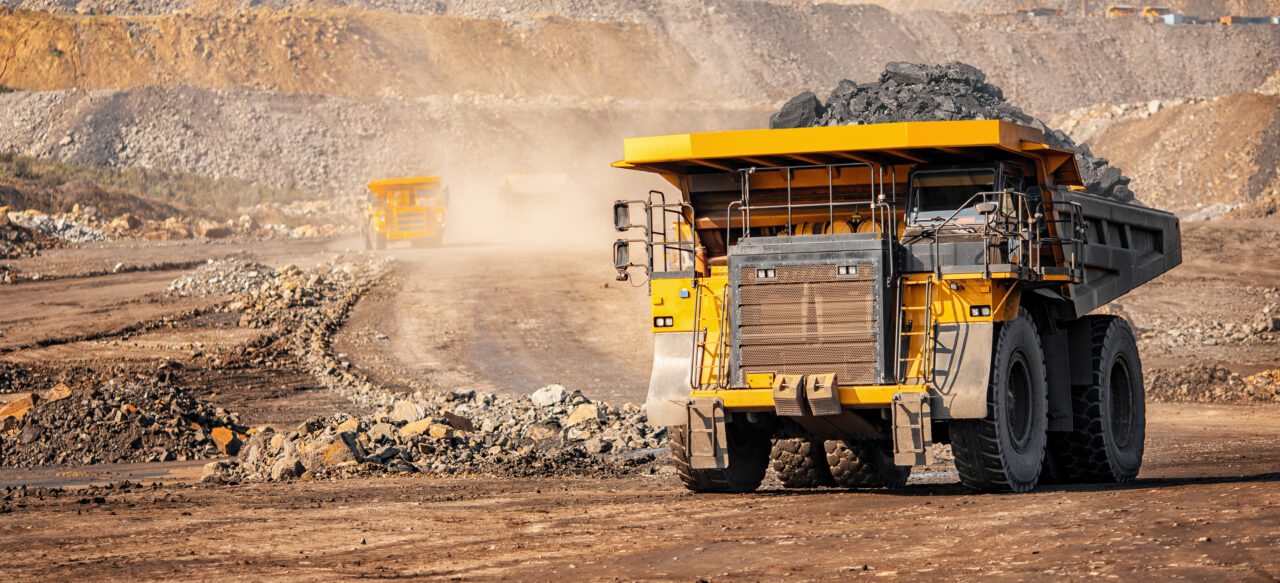
The key attraction of trucking is flexibility. Apart from roads, trucks require minimal fixed infrastructure and adapt easily to changing routes and destinations. This makes them useful for temporary routes, multiple distribution points, or sites with varying demands.

On the downside, diesel trucks can cause pollution and disruption for local communities. There are increased safety risks associated with multiple vehicle movements. Scalability is limited by road and fleet capacity, and trucks may not be the best option for distances over 50 km.

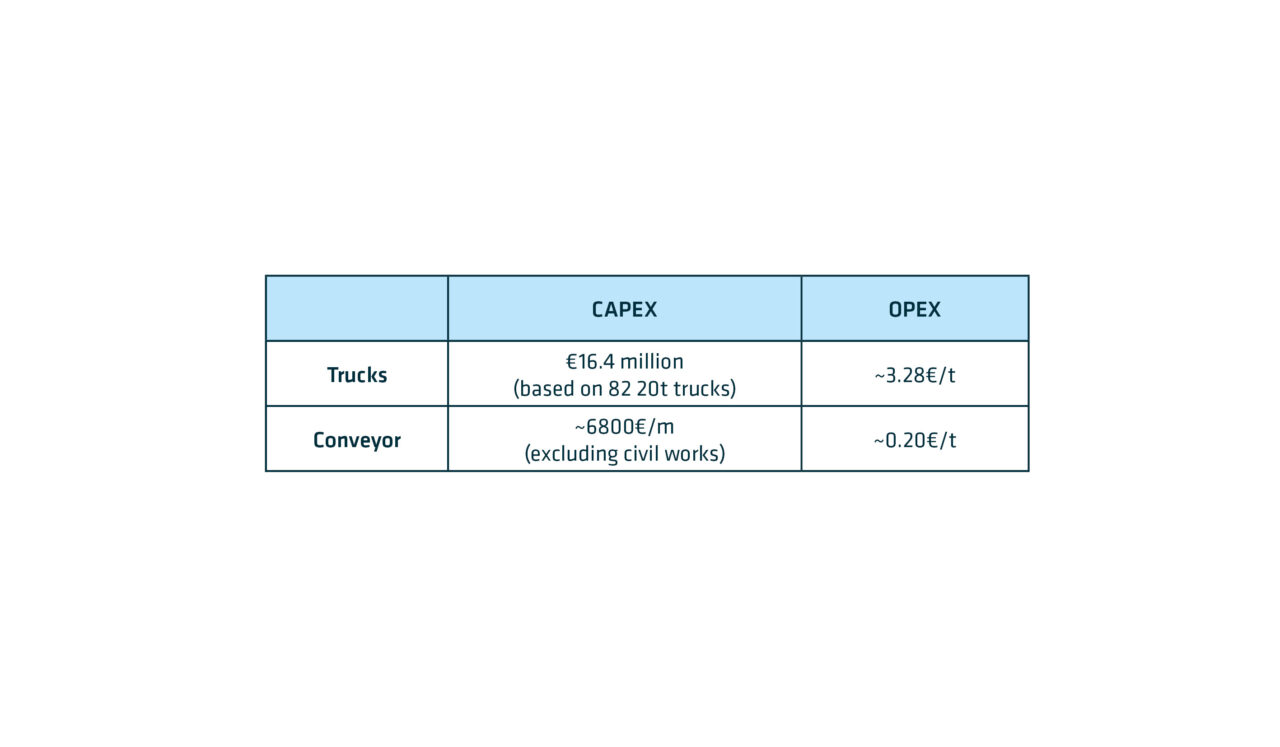
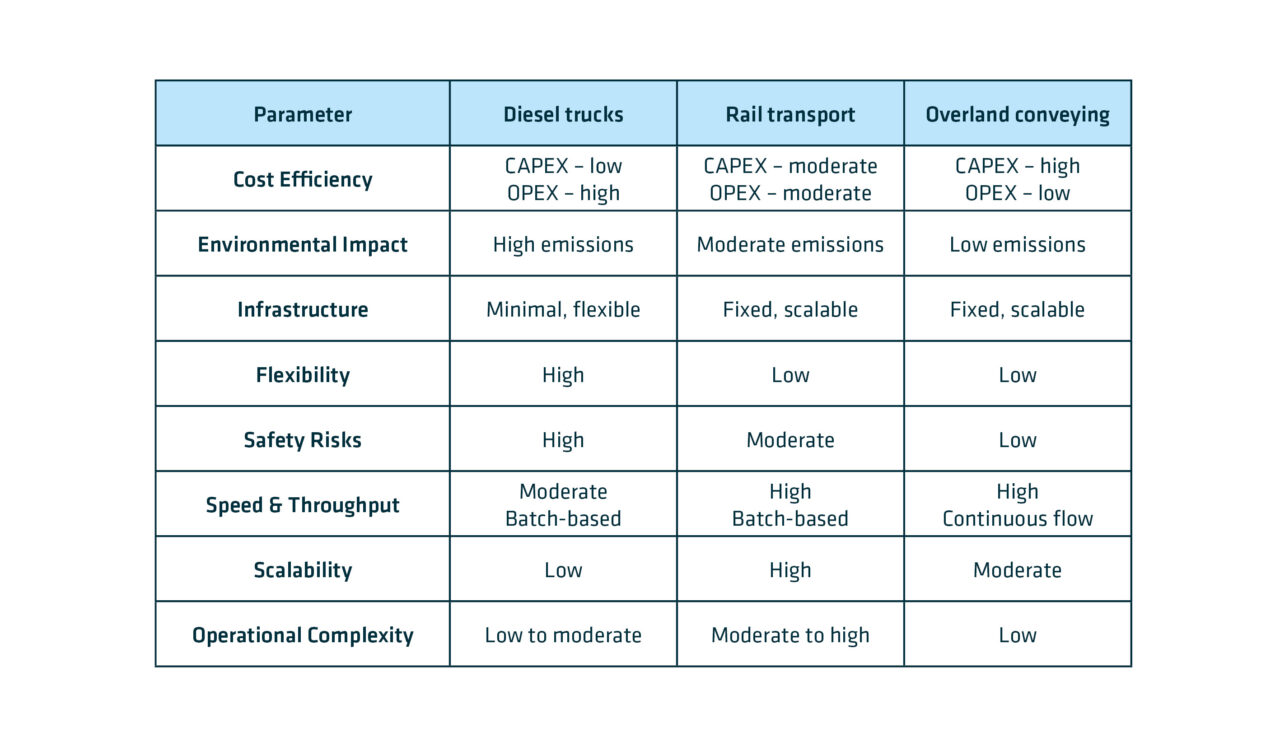
Trucks typically require the lowest initial capital expenditure (CAPEX) compared to rail and conveying. However, operational costs (OPEX) are comparatively high due to ongoing fuel consumption, labour requirements and maintenance of trucks and roads, all of which are subject to market volatility. According to a 2021 cost comparison, dump trucks have an OPEX of around €0.85–€1.70 per tonne. The biggest variable is the number of trips per hour.

RAIL TRANSPORT

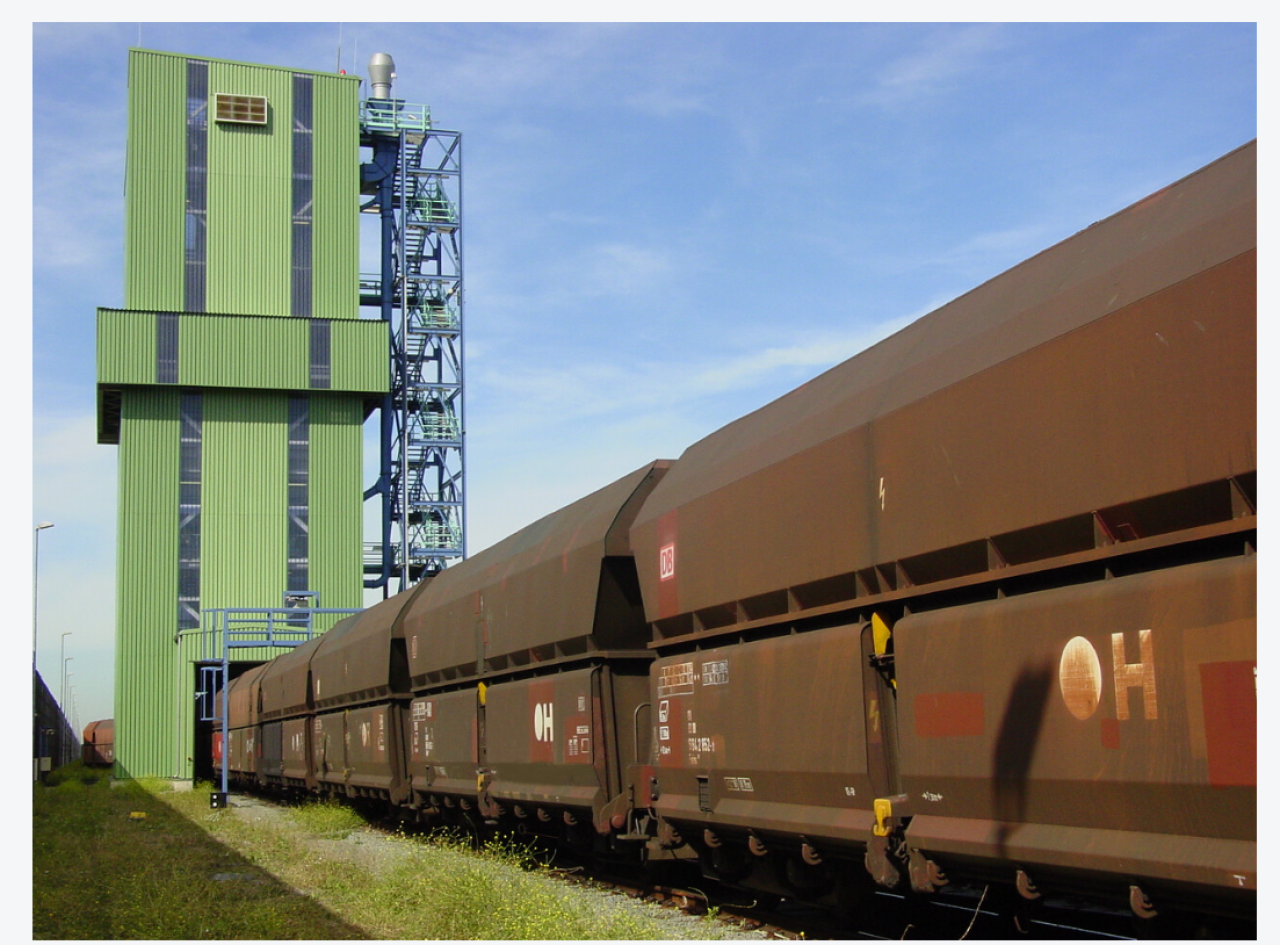
Movement by rail combines high carrying capacity with moderate operational costs. It is generally the best option for long-distance bulk transportation, typically for distances over 100 km. Offering high, batch-based throughput, rail transport is highly scalable. It also has a relatively low environmental footprint and a good safety record.

Of course, rail transport is not always a practical option – either the railway exists or it doesn’t – and building your own railway incurs high CAPEX. Where infrastructure is available, initial investment may be limited to, say, a train loading facility.

However, operational complexities such as strict scheduling and multi-modal transfers raise operational costs. Fixed routes and tricky timetables also mean rail lacks flexibility, making it unsuitable for operations requiring continuous material flow.

The same cost comparison study estimates rail OPEX as moderate, at around €0.21–€0.42 per tonne.

OVERLAND CONVEYOR SYSTEMS

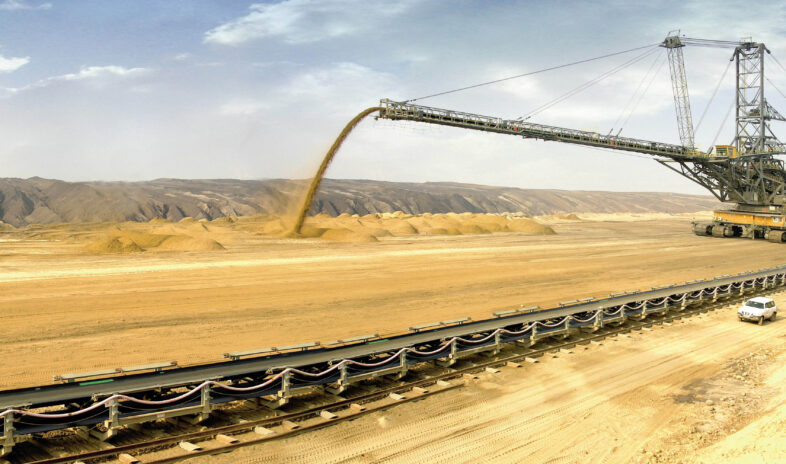
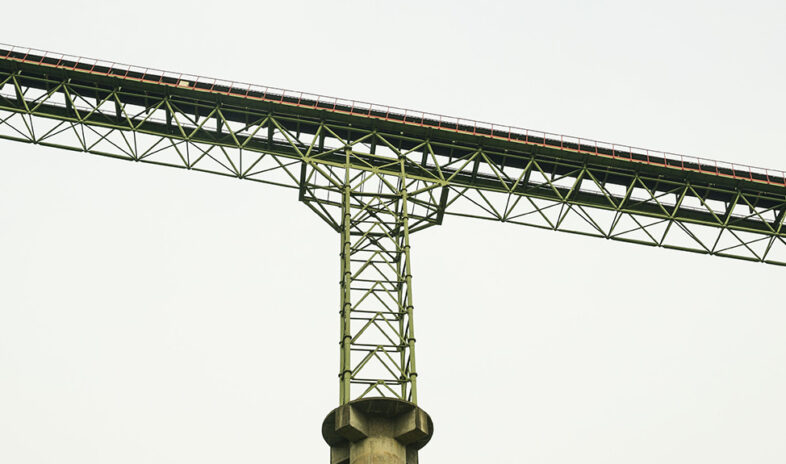
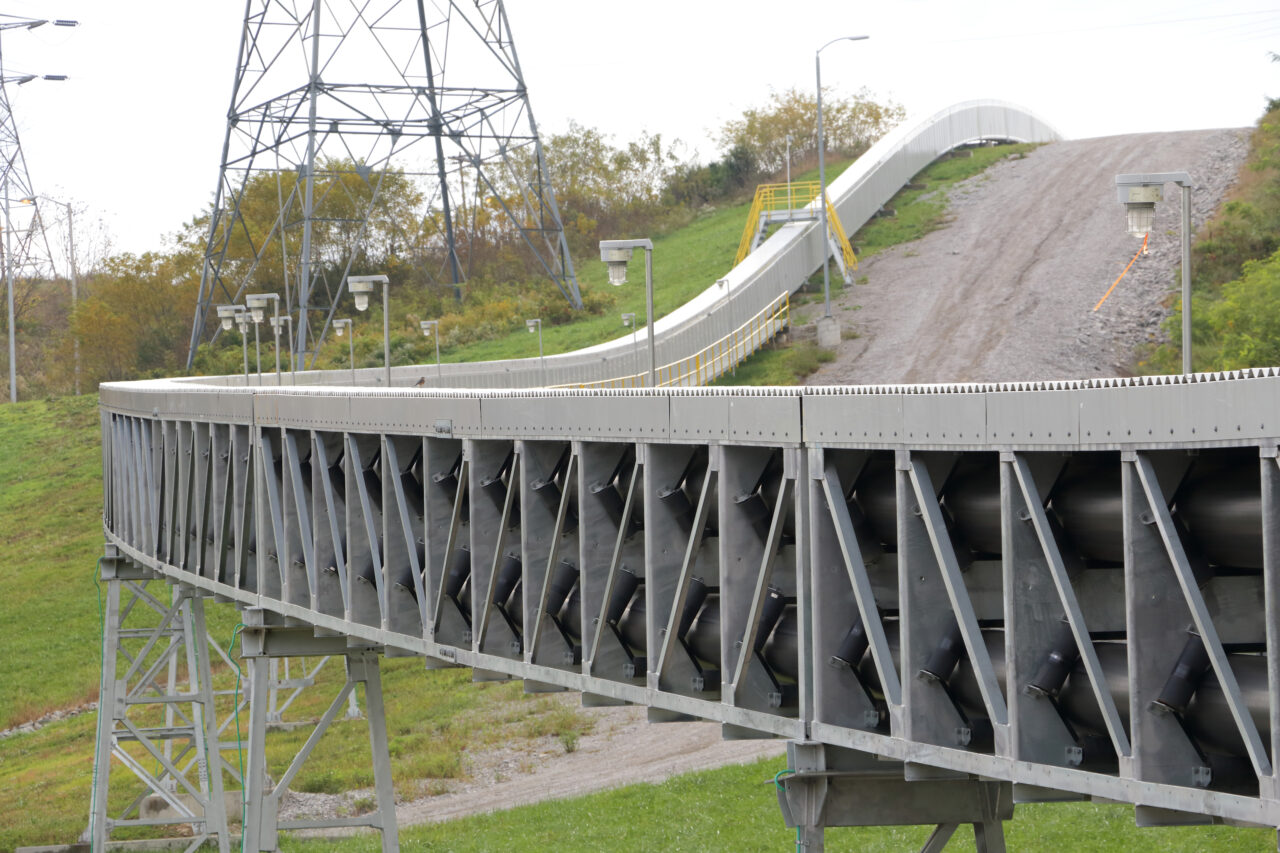
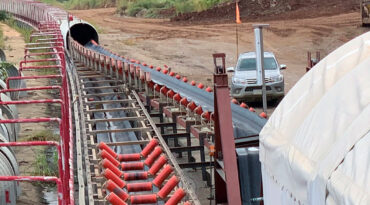
Overland belt conveyors – whether troughed belt conveyors, or pipe conveyors – are engineered for continuous, automated material flow. Overland conveyor systems can provide a much more direct route, reducing distance and cost. They are capable of negotiating slopes up to 20° (even 30° with a pipe conveyor), avoiding tunnelling or detours. Proprietary tools, such as the BEUMER Overland Layouting Tool (BOLT), streamline the design process. BOLT can produce an entire virtual 3D route plan, including bridges, bends, and conveyor frames. This virtual design approach facilitates the coordination of preliminary works and accommodates changes easily, reducing project lead-in times.

With no empty return hauls like trucks or railway wagons, conveyors can reduce emissions and lower environmental impacts. Their automated nature also minimises transport hazards and human error, making conveyor systems a very safe bulk material handling option. Furthermore, a high degree of scalability can be achieved with relatively simple measures, such as increasing the belt speed.

On the flip side, conveyor systems are less flexible than trucks and are unsuitable for batch-feeding operations. Although simple and reliable, conveyors do require regular maintenance. Digital tools are increasingly used to reduce manual interventions to a minimum.

Conveyor systems, like rail, require a significant upfront investment. However, OPEX for overland conveying systems can be as low as €0.13–€0.17 per tonne. That’s 5x lower than trucks and 2x lower than rail.

STRATEGIC SELECTION CRITERIA

1. TOTAL COST OF OWNERSHIP (TCO)

Selecting the best bulk material transport solution requires more than comparing initial capital expenditure. Total Cost of Ownership (TCO) combines CAPEX with ongoing operational expenditure to reflect the true financial impact over the life of the system.

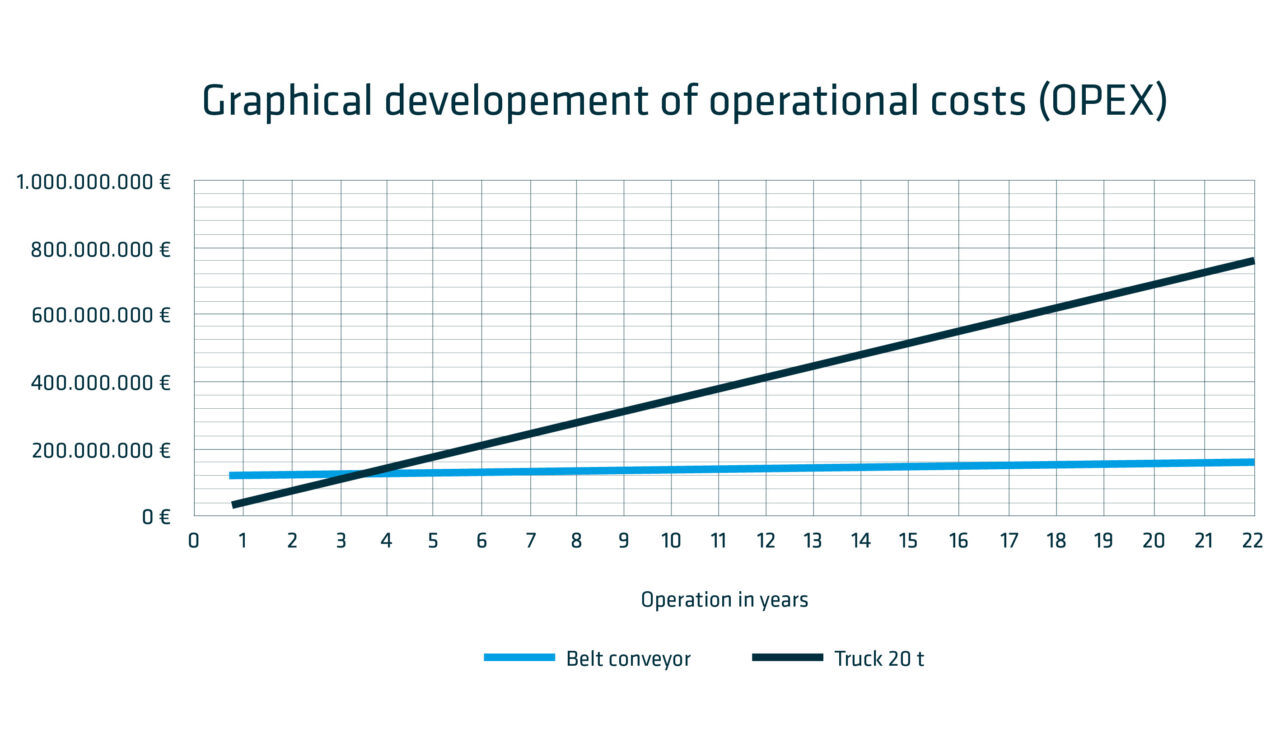
Short-term or variable projects may favour low CAPEX options like trucking, even though OPEX is significantly higher. High-volume, long-term projects often justify higher CAPEX for solutions with lower OPEX, such as conveyors or rail.

For example, a grain terminal moving five million tonnes annually over a decade will require a different investment strategy than a quarry supplying one million tonnes over five years.

2. OPERATIONAL AND BUSINESS REQUIREMENTS

Beyond cost, operational realities will shape transport decisions. Key factors include:

  • The annual tonnages and service duration required for your materials
  • Whether the feasible route for conveying or rail differs from the trucking alternative
  • The destination or process, once the material reaches its endpoint

Pre-existing regional practices should also be considered. In South America (especially Chile), materials are sometimes containerised. This favours a hybrid transportation approach, using rail for long-haul and trucks for last-mile delivery or even a combination of truck, rail and conveying.

3. NET PRESENT VALUE (NPV) ANALYSIS

NPV analysis compares the present value of future cash flows for each transport option, helping operators weigh high CAPEX/low OPEX models (conveyors, rail) against low CAPEX/high OPEX models (trucking).

As an example, let’s consider a facility moving coal from A to B. The road route in this instance is 35.4 km long, while the most direct overland conveyor route is 14.3 km.

Operational savings using conveyors in this instance exceed €3.08 per tonne, based on 8000 operating hours per year. For a site handling 10.9 million tonnes annually, this equates to €33.5 million in yearly savings. NPV analysis determines when these savings offset the upfront investment, guiding decisions for sustained, large-scale operations. In this example, the break-even point is around 3.5 years.

4. ENVIRONMENTAL AND SAFETY CONSIDERATIONS

Sustainability and safety are increasingly important considerations, supporting your licence to operate and strengthening stakeholder relations.

  • Emissions: Conveyors and rail emit far less carbon than fleets of diesel trucks, supporting ESG targets and regulatory compliance.
  • Safety: Automated systems like conveyors reduce hazards associated with road haulage and minimise human error, creating safer work environments.

Table 1: Comparison of diesel trucks, rail transport and overland conveyors against strategic selection criteria

MINING & MINERALS TRANSPORT SOLUTIONS

Clearly, identifying the best bulk material handling solution relies on project-specific criteria, but there are some top-level conclusions we can draw:

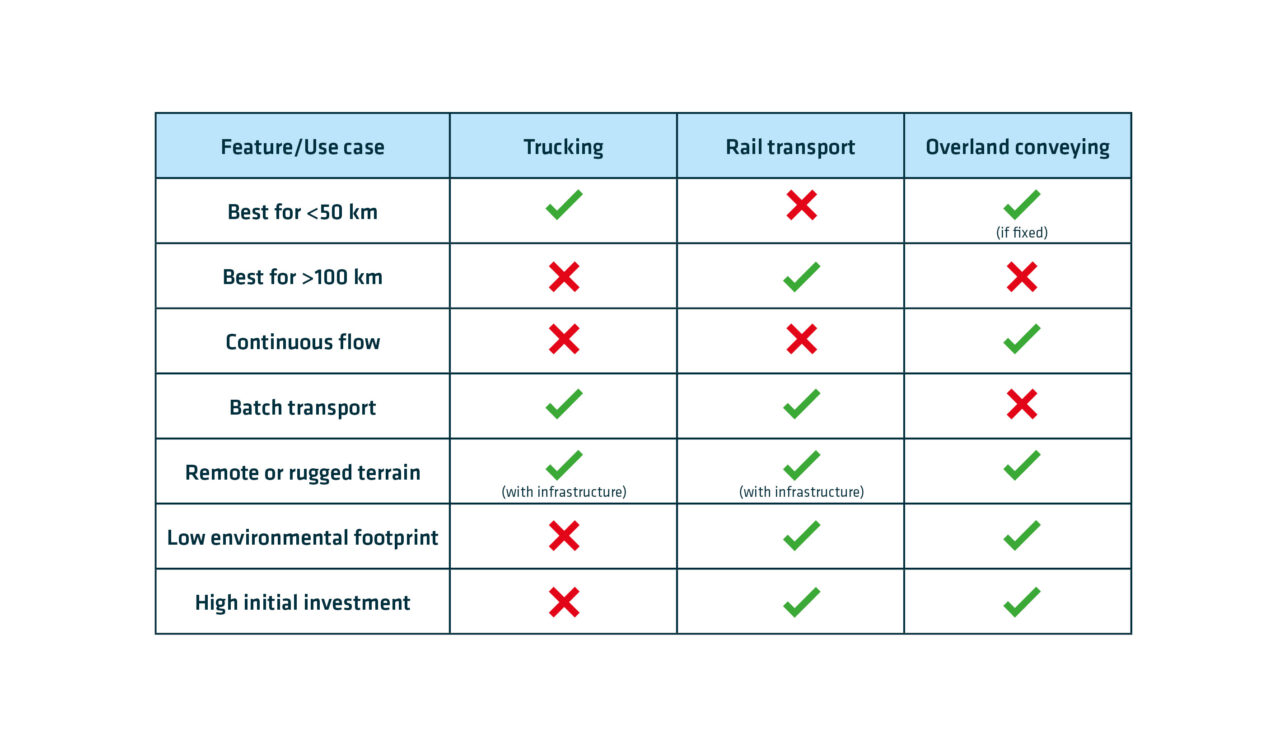
  • Trucking is best when operational flexibility matters most, or when initial capital for fixed infrastructure isn’t practical. Trucks remain the best fit for multi-stop, variable routes or as a contingency during infrastructure downtime.
  • Rail Transport is best where high volumes must be transported long distances, especially where access to existing rail networks is available. Rail is uniquely suited to connecting bulk producers – including those in mining or aggregates – to distant terminals or ports.
  • Overland Conveying is best when the route is fixed and high throughputs are needed, such as moving materials from production sites to processing facilities over a consistent path. Conveyors can be engineered to manage challenging topography and deliver materials efficiently, directly, and with reduced operational impact.

In practice, a combined solution often delivers the best results. For example, material might travel by conveyor from the production point to a central hub, where rail handles long-haul distribution, and trucks deliver to final destinations. Alternatively, within a mine, haul trucks might bring the material to a central point where crushing takes place, and then an overland conveyor brings the material to the plant for further processing.

Table 2: How truck, rail and overland conveyors compare against project-specific parameters

TAKEAWAY

Choosing the right bulk material transport method is a strategic decision with long-term financial, operational and sustainability implications. While trucking offers flexibility, its high OPEX and environmental impacts limit its suitability for large, ongoing projects. Rail and overland conveyor systems, though requiring higher upfront investment, deliver sustained savings, improved safety, and lower emissions.

By applying a comprehensive evaluation, encompassing Total Cost of Ownership, Net Present Value analysis, operational requirements and environmental considerations, minerals and mining operations can move beyond simple CAPEX comparisons and implement resilient transport strategies that maximise efficiency, reduce risk, and support long-term growth.