Home > Knowledge > Courier, Express & Parcel > Why is manual training key for optimal utilisation of automated systems?

Why is manual training key for optimal utilisation of automated systems?

There are a host of benefits to automated parcel handling solutions, but for optimal utilisation and to receive all these benefits in full, it's vital to prioritise user training and maintenance.

Article summary


While an automated system can improve optimisation and ROI, achieving these benefits in full is not guaranteed. If operators and supervisors are not correctly trained, both initially and on an ongoing basis, the systems are not always able to provide the expected benefits. As a result, CEP companies can end up paying a significant amount of money after a long procurement process and not fully realise all the possible benefits.

Due to the complexity of these systems, CEP companies can benefit from developing a strategy for training, which covers both initial and longer-term stages. By training different user groups specifically, CEPs can maximise long term benefits from day one.

WHY TRAINING IS IMPORTANT FOR AUTOMATED SYSTEMS

An automated system, such as a parcel sortation system, optimises many of the tasks associated with parcel workflows in the CEP industry, meaning it impacts those who work around it and with it. Investing in training staff in the organisation who will use this system in their daily workflows is something to consider when purchasing the system, because training in the manual tasks that occur alongside the automation is the key to ensuring high utilisation of the system.

As the CEP business sees a high turnover of employees with temporary workers and seasonal fluctuations, companies can be helped by having a plan to train operators and supervisors. When inadequate training occurs, or where there is no training at all, this turnover of workers often results in less efficient work, because variable (and often insufficient) levels of knowledge are passed onto new employees.

Where all operators, even temporary ones, are able to understand their responsibilities, their place in the system and how to spot issues in their area, then any problems can be swiftly handled. As a result, the value of the system can be optimised.

HOW TO CONDUCT TRAINING FOR AUTOMATED SYSTEMS

Training on automated systems is necessary for optimal utilisation – but what this training looks like isn’t a standard practice. As systems differ in their complexity and set-up, the exact way of training also varies. No matter the model that is chosen, the only certain way to ensure optimal success is if the CEP maintains a solid training level and ensures everyone working with the system knows how it operates, along with the responsibilities of their specific role.

The need for training is often established in dialogue between the CEP and the systems provider, as one knows the system and the other knows the organisation. Together, they can consider different employee groups and their knowledge needs, so they can then be trained in a manner that is appropriate to each. Together, the CEP and systems provider can create a plan for training that matches the employee level and sets up for long-term success. Regardless of the training model or system complexity, some of the best practices include making sure that operational tasks in the system are simple, quick to learn, and can be easily explained.

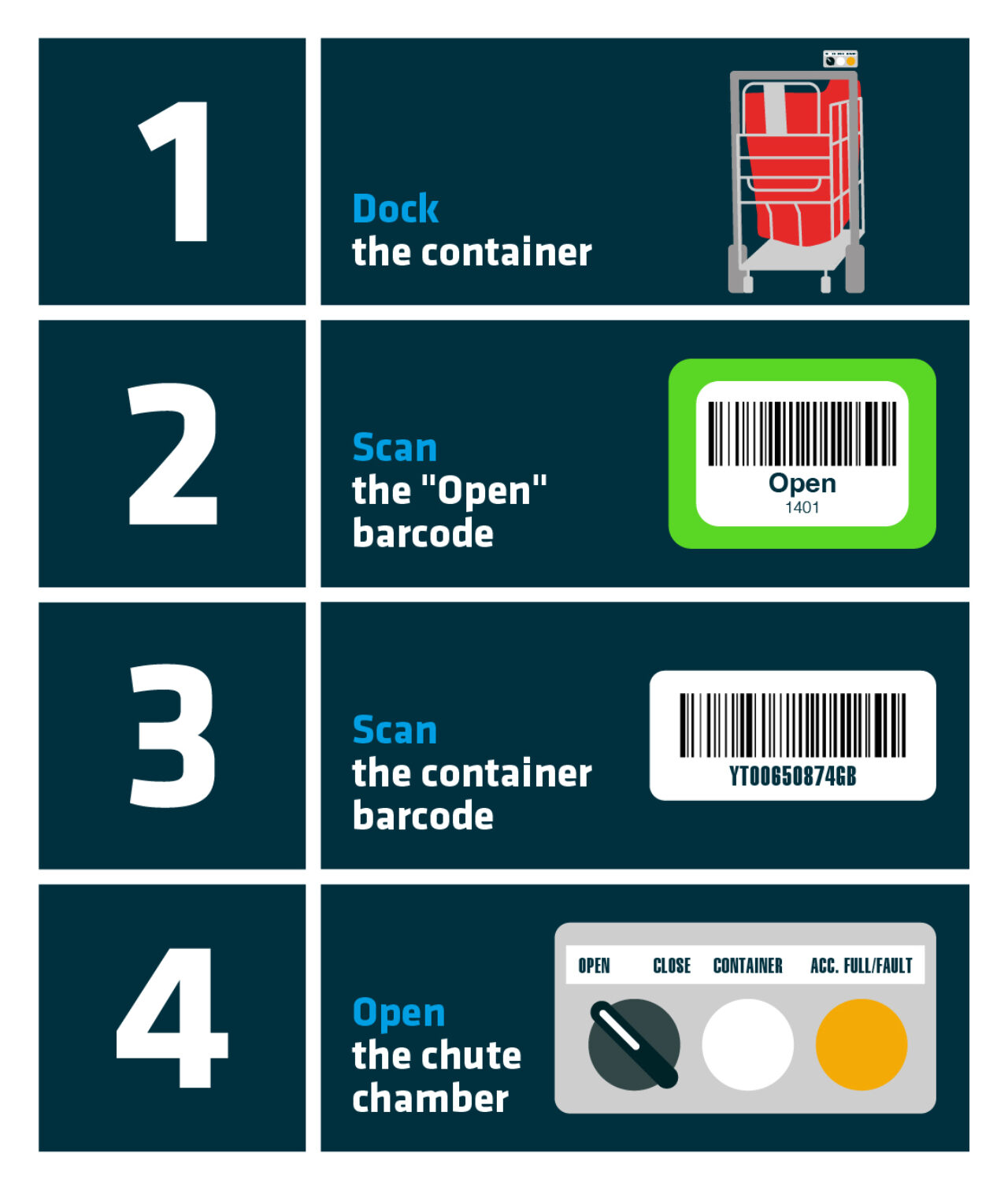
It’s often helpful to use physical and visual advice to assist operators, for example, a how-to card with a series of pictures that clearly show the sequence of actions that they must take in a certain situation, such as when a part needs changing. In organisations where there are new temporary workers regularly, it eases the process to make sure there are visual cues to support the training and assist in tasks being done correctly.
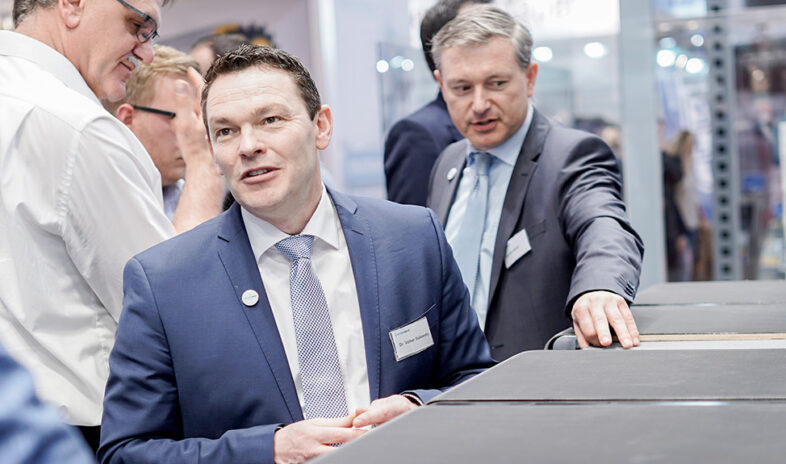

It’s also vital to provide general safety instructions to all new operators and ensure that these are followed.

BE SPECIFIC WITH TRAINING GROUPS AND THEIR NEEDS

There are three distinct groups that should be taken into account when planning adequate training:

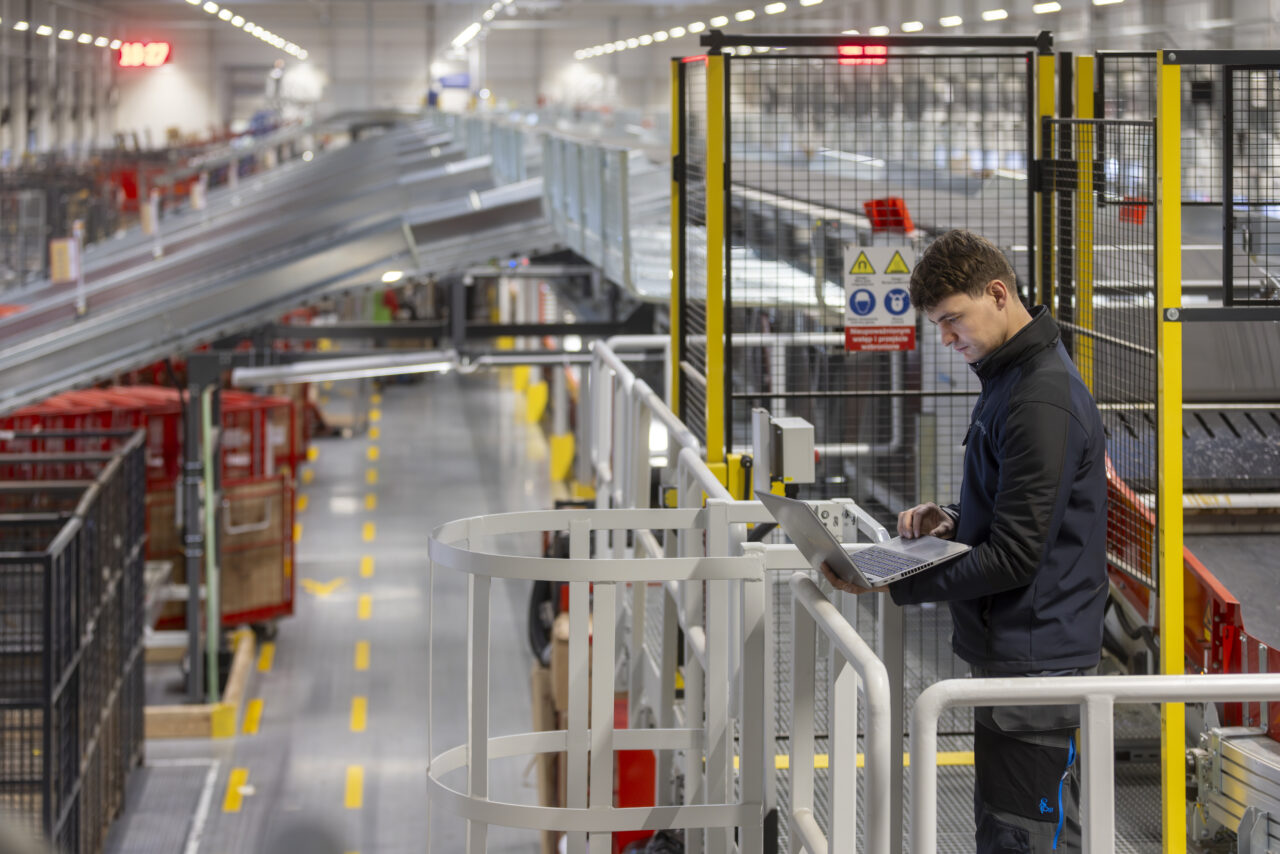
  1. Service and maintenance: This group consists of the technical engineers who are responsible for mechatronics (mechanical engineering, electronics, computer science, and control engineering). Their training must cover maintenance planning tools, for example digital O&M manuals and maintenance guides for the system. They need to both know how to be preventative, and how to respond to any situations, for example when and how to change a part, or what to do before replacing anything. Alongside this, they need knowledge of what the service inspection sequences are, and what to do before they begin replacing anything.
  2. Operational training: Supervisors, control room operators, managers, or any person in charge of daily operations and system utilisation, including key people in the control room who monitor everything happening in the system. General understanding of how to optimise system utilisation is extremely important, as supervisors can then understand what is happening when they see certain things and act accordingly. Typical errors and operational scenarios are also a part of the training, so supervisors understand how to plan a day, what to do if something breaks, how to rearrange teams if operators are missing, and so on.
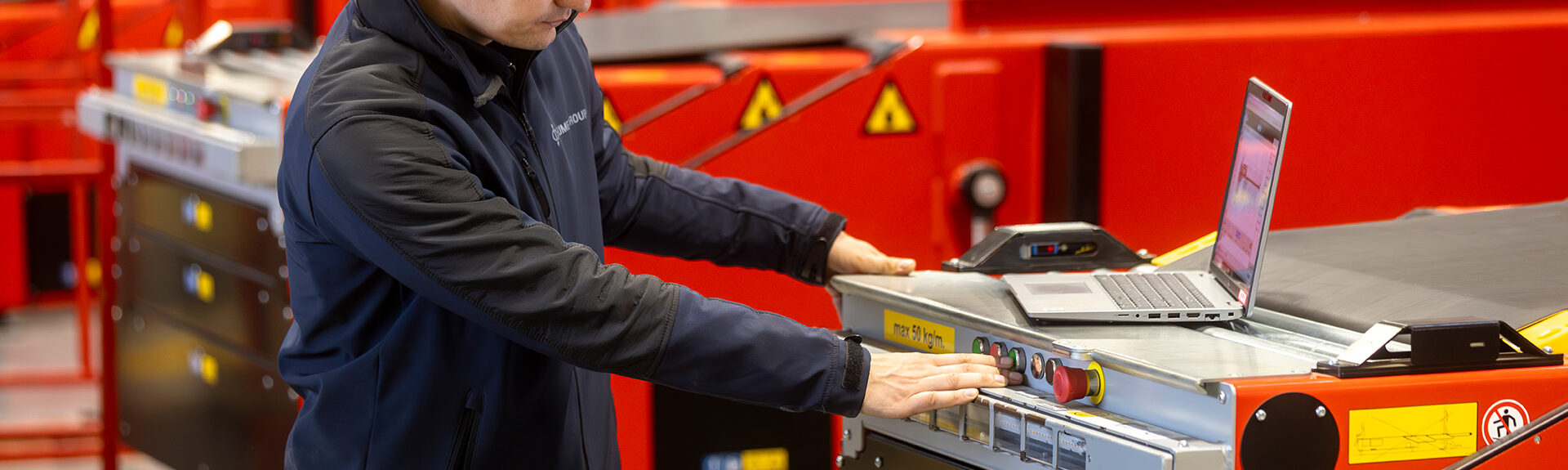
  3. Operators who perform physical tasks: Many physical processes happen around an automated system, and operators need training on specific tasks, as well as an understanding of the bigger system and where their role fits in. Training often begins with the individual operations, e.g. training on a specific task, such as how to operate a container tipper or which parcel sizes or shapes to induct to the system. The operator is introduced to where this task is in the system, what to keep an eye on, and what exceptions there are. If it’s a temporary worker, they are often only trained in one task, but those on permanent contracts can be trained on one task for a few weeks, and then on another process and operation.

DATA INFORMATION IS A CENTRAL PART OF TRAINING

Large systems often include data analytics and this service provides an added advantage for optimal system use – while also adding another instrument for training.

Although it could be assumed that data information isn’t important for the every day operator, the system’s data actually provides significant advantages to multiple areas if utilised correctly. Data can refer to flow data, item informations, machine status, or special machine monitoring systems, and the way in which data analytics is used in any role can be personalised to where the employee sits in the system. Any combination of these data types can be in action given the individual system.

It’s important that training on data analytics is included for the relevant groups in connection with what is required for their roles:

  • Individual operators: those in the operational room working on operational interfaces should be trained in the basic understanding of the system’s mode of operation, how to operate it, and how to use the data to optimise planned arrival, manage door allocations, follow the system status, reach expected performance, understand line difficulties – and be able to then resolve any issues that arise in these areas.
  • Maintenance teams: must understand the mechanical and electrical configuration so they are capable of troubleshooting, repairing and maintaining a system unassisted. Preventative maintenance is vital here, with teams aware of the system’s health at all times, meaning if there is an error message or a repeated misbehaviour, they can look at the data, pull up log files, monitor the system, and quickly realise the root cause of the issues.
  • Control room operators: in addition to basic operator training and understanding of the system’s mode of operation, this group must have further understanding of the system’s controls configuration and operational interfaces, as this allows them to sustain clear and understandable communication between the control room and O&M, all while using the same technical language. Data and analytics linked to events in the system are beneficial to this group – when a conveyor is locked with a name, data, time stamp and object identification, then the operator has sufficient data to understand any change in status and take any necessary further steps to improve operations.

A DIGITAL TWIN OFFERS BENEFICIAL INSIGHTS FOR COMPLEX SYSTEMS

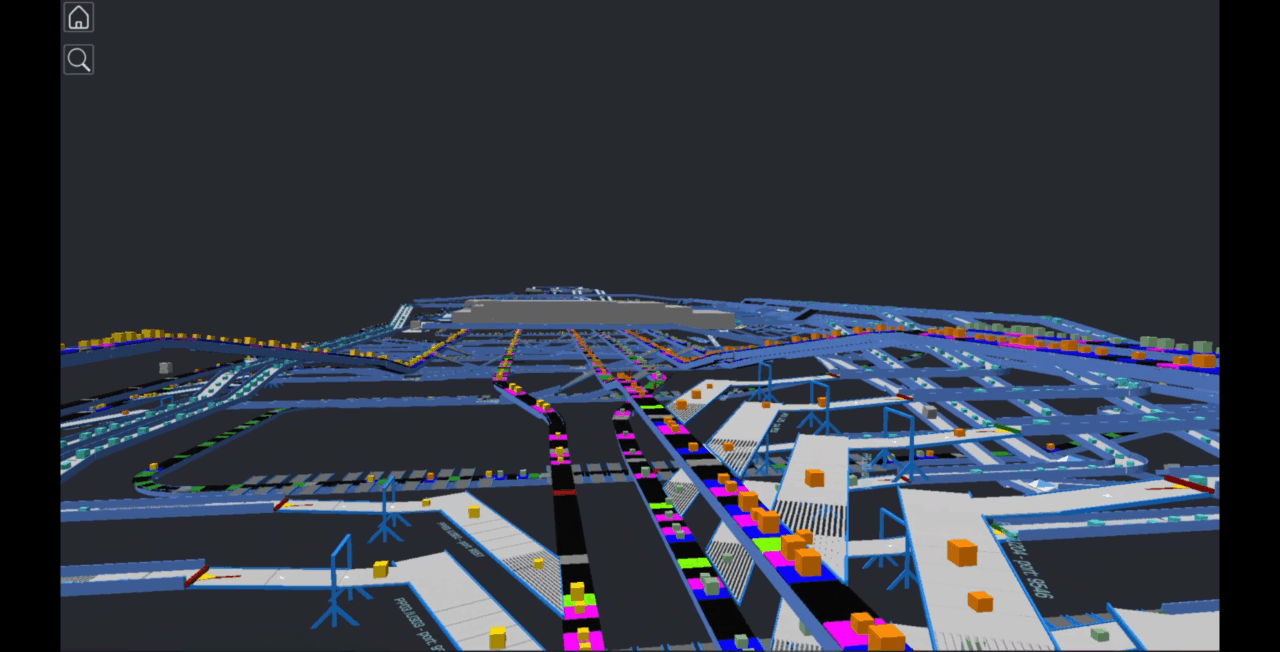
More complex large systems can benefit from a digital twin – and the digital twin can be used as direct training in itself. The uses for this vary depending on the automated system itself and the position you are training for.

For example, you can train new engineers or managers by using historical data within the twin to show examples of how previous systems worked well on busy days or to see the different functions in different ways, allowing preparation for big events or better planning for new events.

A TIMELINE FOR TRAINING SUCCESS

In order to ensure adequate training with a new system, it’s important to consider the timeline of when different types of training should occur. An example of a timeline training plan could look like this:

Final testing stage: the control room operators and the maintenance crew should participate in the final testing and commissioning of the system, as this means they can start to understand it before it is handed over and ready for use. They will then be much quicker with their operational tasks when the system is live.

The practical training should also occur, which includes elements such as how to replace parts, how to maintain the system, how to organise spare part stock, and so on. it becomes effective afterwards, as before the system is put into operation, employers already know where the instructions are, what to do for adjustments or modifications, and where to find the data for certain devices

When everything has been installed and the system works correctly: The supervisors responsible for the daily operations at floor level should be trained at this stage. As the system is not live yet, the supervisors can learn in a safe environment where there are no negative impacts on the system or output. Their training also includes understanding how to plan and test, and how to achieve certain results, so they are prepared for how to use the system effectively.

After the system is live: Training new people should be an active plan to ensure the full usability of the system is always achieved. Sometimes a brush-up training session is required and new employees must receive a thorough introduction. Looking at daily performance data can help ensure this is a priority – if the production rate in numbers is going down, then it may be an appropriate time to refresh training to ensure everyone is working with the information they need.

CONCLUSION

System training is necessary for automated systems as it ensures that the system is better utilised and operational planning happens from an educated place, thus is optimised. The hands-on operational use is also improved as care is taken to ensure that every person who interacts with the system, even temporary workers who may only be there for a day or two, know the best practices for operating it. Training also results in better service and maintenance, as the groups responsible for it are aware of all that is needed in certain situations, such as when replacing parts, and data can be correctly interpreted to point to the root of different issues. All of these combine to ensure there is optimal utilisation of the system, minimal downtime, and efficient usage on a daily basis.

Prioritising training across every user group is just one way in which companies can make sure they are aiming for full utilisation of their system. The training needs to take into consideration various factors depending on the user group, for example, whether they need to be aware of maintenance, understanding user manuals, or how to optimise efficiency. Taking into consideration ways to keep training simple and straightforward, for example also having visual guides on hand for temporary operators can make a significant difference in fast-paced operations where there is a high level of employee turnaround.

Subscribe to our newsletter