

Dynamic Parcel Networks: Efficiency hiding in plain sight
Why visibility, not speed, is the real unlock for tomorrow’s CEP networks

Why visibility, not speed, is the real unlock for tomorrow’s CEP networks
Disclaimer: This text was originally written in English and translated using AI.
Royal Mail has started tagging rolling assets so cages and movements are visible in something close to real time.
It’s a small change that hints at where the entire CEP industry is going. Before networks can become smart, they need to become visible. And before they become fast, they need to become steadily efficient. Every blind spot today represents a lost chance to raise the efficiency game – and that loss shows up directly as unnecessary cost.
For decades, parcel networks have been mostly designed around a predefined traffic structure: A to B on fixed lines, departures set months in advance, and adjustments made after the fact.
The parcel network works – until it doesn’t. Peaks arrive in waves, partners operate on different clocks and information lags a few crucial hours behind the work.
When this lag grows, avoidable overtime, excess handling and the ‘transport of air’ quietly inflate operational costs.
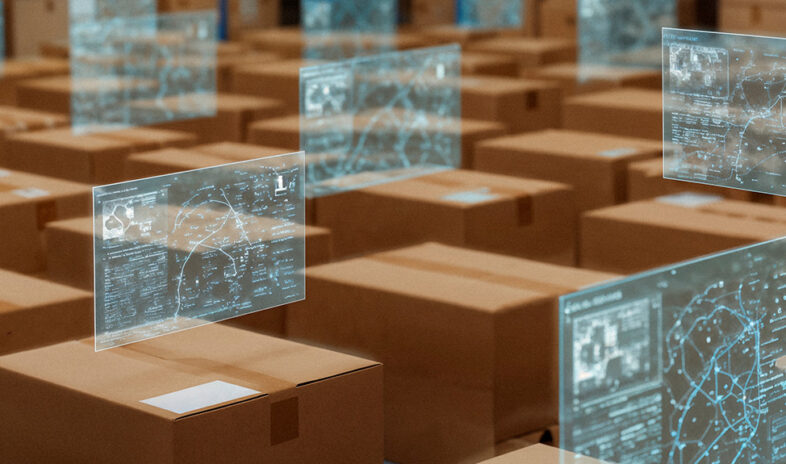
The Dynamic Parcel Networks won’t materialise as a gleaming control tower that magically fixes everything. Instead, they will emerge quietly as a single, shared picture of what’s happening across the entire network – line‑haul, depots, partners, Last
Mile – so the smallest effective change can be made as early as possible.
Examples of this could include shifting a departure ten minutes, consolidating two lightly loaded services, or staging likely orders at a site further downstream. This orchestration can only happen when everyone sees the same thing at the same time.
First the network receives data, then it shares the relevant data, and then it builds algorithms on top of the data. If the network knows where things are, then it can start acting accordingly.
Today, that shared picture is partial because many systems remain isolated. Data still moves in batches and visibility arrives late, so plans adjust slower than operations demand.
The result is familiar: avoidable ‘transport of air’, bunching, overtime, and wobbly ETAs.
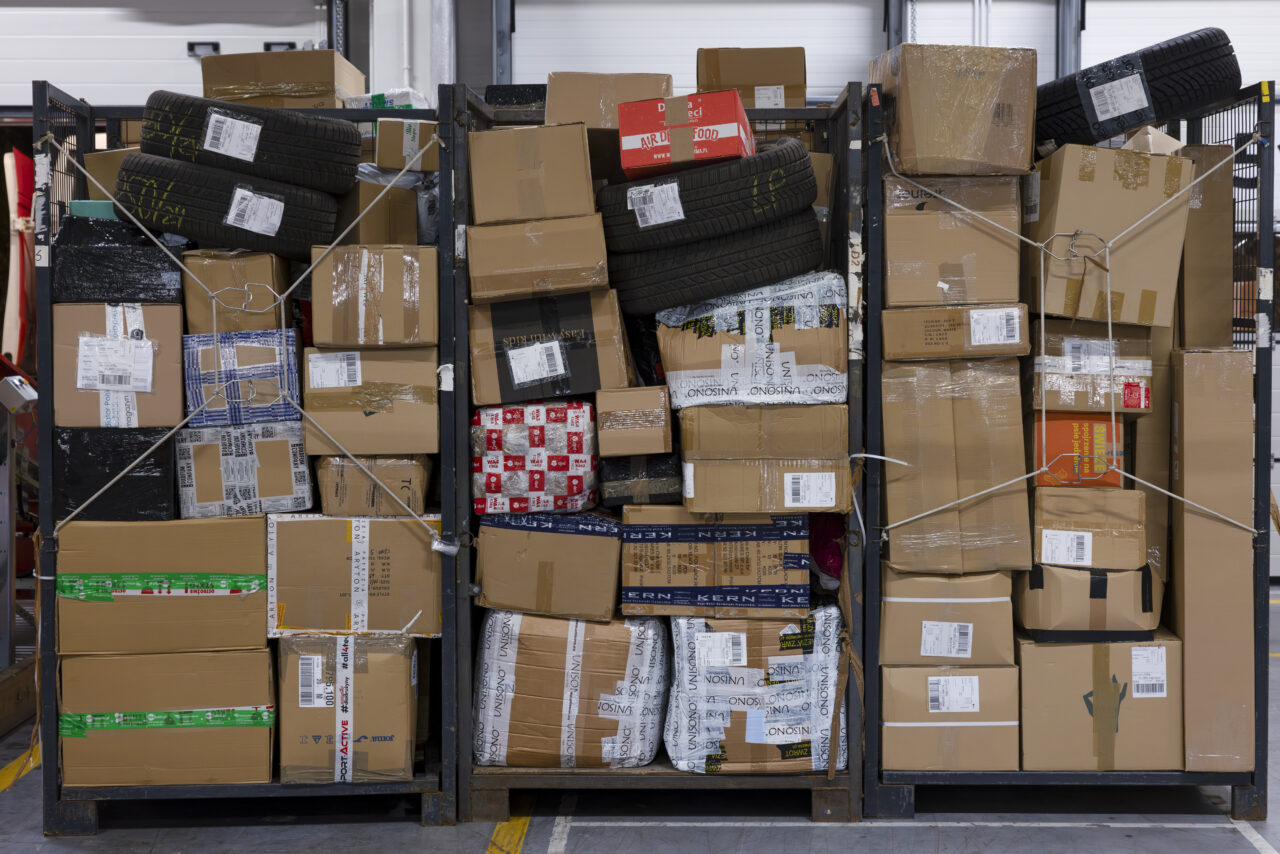
None of this comes from bad intent, rather it comes from isolated systems that can’t yet speak fluently to one another.
But what if they weren’t isolated? Connect all of the isolated systems and the network’s temperament changes: it becomes predictable and efficient.
Every time the network can’t see itself clearly, it pays for that uncertainty with buffers, labour and empty kilometres.
With the pilot running smoothly inside the hub, the same live signals that guide internal flow can shape what happens between sites:
These are not theoretical improvements. Rather, they are direct ways a network stops wasting effort and starts converting visibility into measurable cost efficiency.
In a static network, attention scatters. Supervisors chase surprises, and local KPIs win over network outcomes.
In a dynamic network, attention narrows. Control rooms set light guardrails, and local teams act within them. Exceptions shrink because many never become exceptions. The plan is not rigid, it’s responsive. And promises tighten because they reflect live capacity rather than hope.
Take the Last Mile, for example. Apps, lockers and feedback loops now give end‑consumers real choices. When connected to the shared picture, this leads to more realistic time windows, fewer out‑of‑sequence drops and fewer mixed messages. Promises line up with what the network can actually do, which increases trust.
If there’s a single, practical lever for 2026, it’s asset visibility across the network.
Knowing where the assets are and how they move is the difference between a plan and a guess. Technologies will vary, but the principle is constant: instrument what matters, surface it in the shared picture, and let the planning tools and people change less – and earlier.
If the blind spots can be removed, the system won’t need as much slack. By reducing the slack, costs can be removed without compromising service.
Much of what Dynamic Parcel Networks need is already developed – the vehicle routing, shift planning, and docking optimisation – is already highly developed. However, the missing element has been the connection between them all, which means that a delay showing in one system can alert other parts of the system about possible ripple effects to their assets..
Dynamic Parcel Networks aren’t about enabling faster deliveries. Rather, they’re a network that spends energy in the right places in order to reduce costly wait time and bottlenecks within the processes.
The Dynamic Parcel Networks are a living system: integrated, adaptable and comprehensive. And gradually, they will become the standard.